5 Things To Do If You Have a Pipe Burst
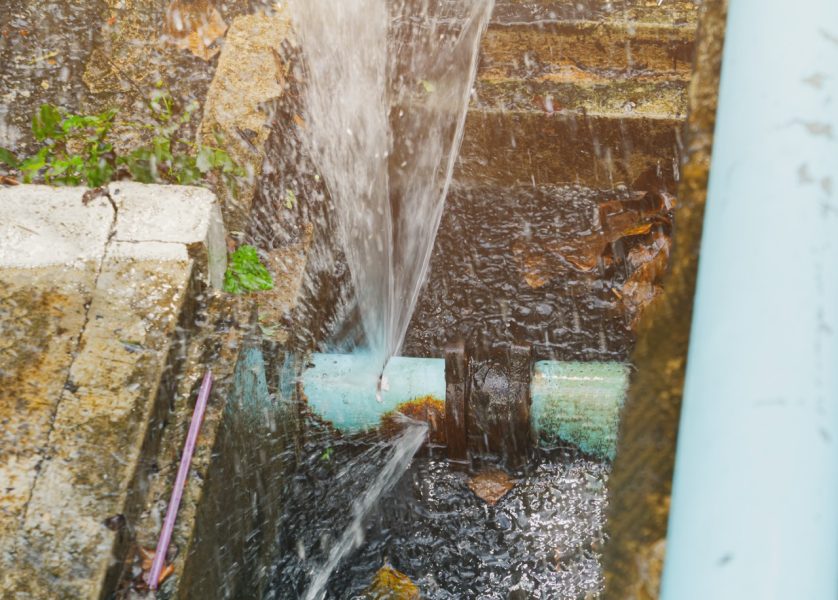
A burst pipe is one of the most stressful plumbing emergencies a homeowner can face. Water can spread quickly, damaging walls, floors, furniture, and personal belongings. Knowing what to do in the first moments after a pipe bursts can significantly reduce damage and help repairs stay manageable.
1. Shut Off the Water Supply Immediately
The first and most important step is shutting off the main water supply to your home. This stops additional water from flowing through the broken pipe and prevents further flooding.
Every homeowner should know where their main shutoff valve is located. If you cannot find it quickly, shutting off water at the meter may be necessary.
2. Turn Off Electricity in Affected Areas
If water is spreading near electrical outlets, appliances, or breaker panels, turn off electricity to the affected areas. Water and electricity are a dangerous combination, and safety should always come first.
If you are unsure, contact a professional before entering flooded spaces.
3. Drain Remaining Water From Pipes
After shutting off the water supply, open faucets throughout the home to drain remaining water from the plumbing system. This helps relieve pressure and minimizes additional leaks from damaged pipes.
Flush toilets once to help clear water from the system.
4. Protect Your Belongings
Move furniture, rugs, and valuables away from standing water. If possible, elevate items to prevent further damage. Quick action helps reduce the risk of mold growth and material deterioration.
Document visible damage with photos for insurance purposes before cleanup begins.
5. Call a Professional Plumber Right Away
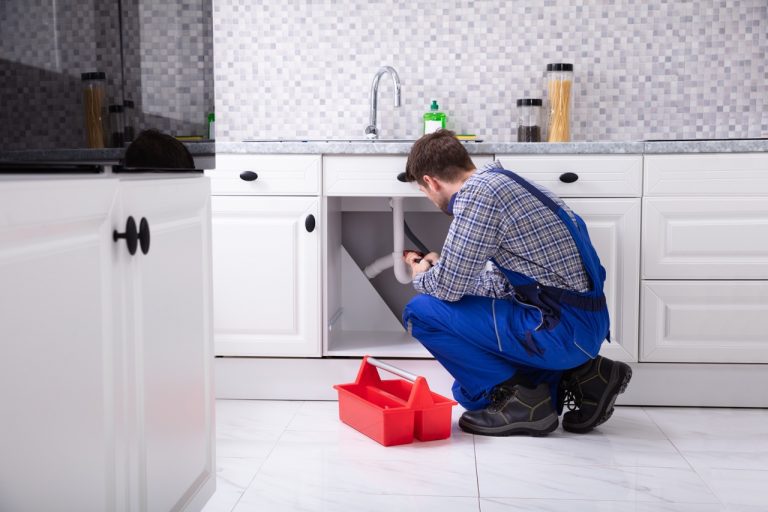
Even if the leak appears small, professional repairs are essential. A plumber can assess the extent of the damage, repair or replace the pipe, and check for additional weaknesses in the system.
Prompt professional service helps ensure repairs are done safely and correctly.
Stay Prepared for Plumbing Emergencies
Pipe bursts can happen unexpectedly due to freezing temperatures, aging pipes, or sudden pressure changes. Preparing in advance and knowing these steps helps homeowners respond confidently and protect their property.