How to Tell If You Have Hard Water in Your Home
Hard water is a common issue for homeowners, especially in areas with mineral-rich groundwater. While hard water isn’t harmful to drink, it can create a wide range of problems for your plumbing system, appliances, skin, and laundry. The sooner you identify hard water in your home, the sooner you can take steps to treat it and protect your plumbing.
What Makes Water “Hard”?
Hard water contains elevated levels of minerals, primarily calcium and magnesium. As water travels through the ground, it absorbs these minerals naturally. While they are safe, they leave behind residue that builds up in pipes, fixtures, and appliances over time.
1. White or Chalky Buildup on Faucets and Fixtures
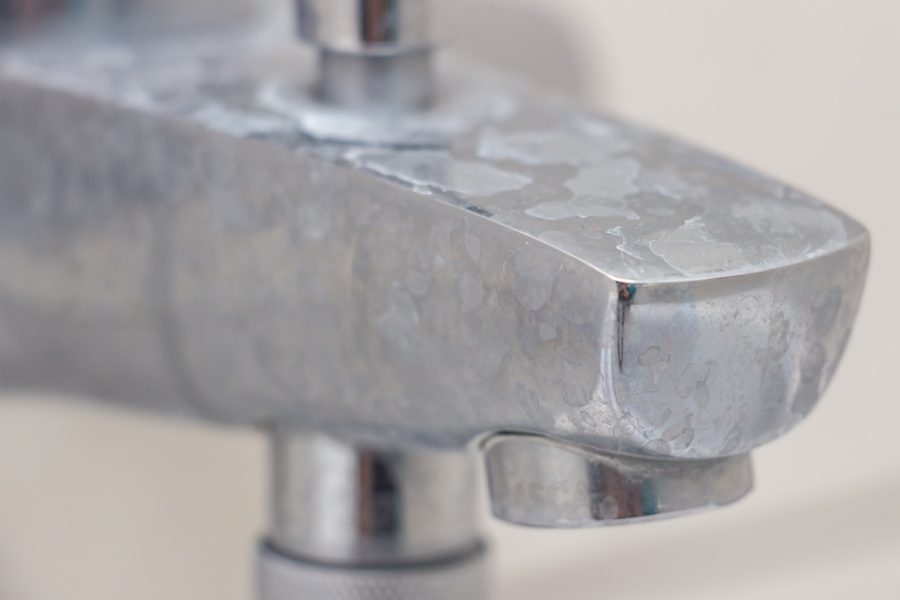
One of the most visible signs of hard water is mineral scale. This appears as:
• White, chalky crust around faucet bases
• Hard residue on showerheads
• Spots or cloudy marks on stainless steel
These mineral deposits indicate high levels of calcium and magnesium in your water.
2. Soap Scum and Difficulty Creating Lather
Hard water reduces the effectiveness of soap. If you notice:
• Soap scum in tubs and sinks
• Shampoo that doesn’t lather easily
• Dull or filmy feeling on skin after showering
It’s a strong indication of mineral-heavy water.
3. Dry Skin, Itchy Scalp, and Stiff Hair
The minerals in hard water strip away natural oils from your skin and hair. Over time, this leads to dryness, irritation, and a rough texture in hair.
4. Appliances Wearing Out Faster
Water heaters, dishwashers, and washing machines suffer when exposed to hard water. Mineral scale builds inside the appliances, reducing efficiency and shortening lifespan. If your water heater makes popping noises, sediment is likely the cause.
5. Faded Laundry and Scratchy Clothing
Hard water interferes with detergent performance. Clothes may come out looking:
• Faded
• Rough
• Stiff
• Dingy despite being clean
Over time, fabrics break down faster.
6. Low Water Pressure from Scale Buildup
Minerals accumulate inside pipes and gradually narrow the flow path. If you experience unexplained low water pressure—especially in older homes—hard water may be the cause.
7. Water Test Confirms High Mineral Levels
The most accurate way to confirm hard water is by testing it. Home test kits are available, and professional plumbers can perform more detailed analysis. Water hardness is measured in grains per gallon (gpg). Anything above 7 gpg is considered hard.
How to Fix Hard Water
The most effective solution is installing a water softener. These systems remove excess minerals and protect:
• Fixtures
• Appliances
• Clothing
• Water heaters
• Pipes
A water softener improves water feel, reduces scale, and lowers energy costs by helping appliances run more efficiently.
Final Thoughts
Hard water is common, but it doesn’t have to damage your home. Recognizing the signs early allows you to take action before mineral buildup causes costly plumbing issues. A professional plumber can help test your water and recommend the best softening solution for long-term protection.