Should You Put Coffee Grounds Down the Sink? What Homeowners Need to Know
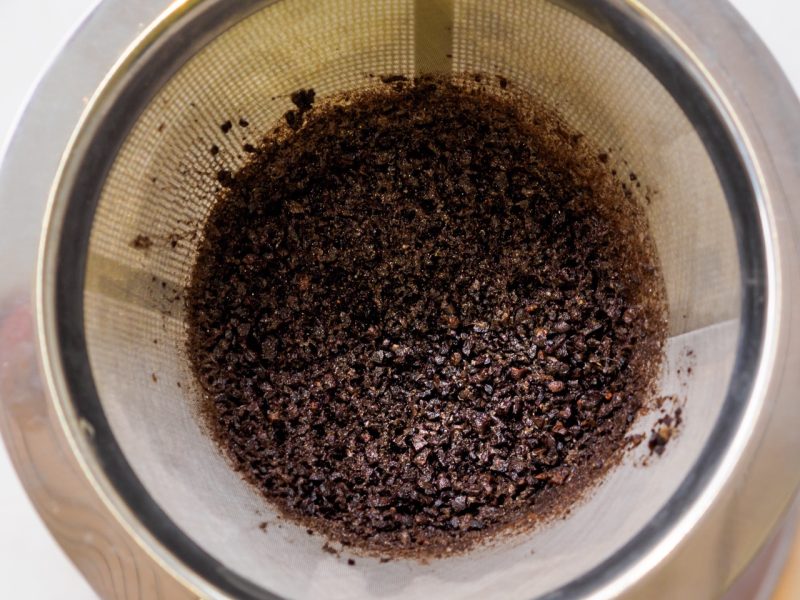
For many households, coffee is a part of the daily routine. But what happens to the grounds once your cup is brewed? Some people rinse them down the sink, assuming they will break down easily. Unfortunately, coffee grounds are one of the biggest contributors to kitchen drain clogs. Even with a garbage disposal, they can create serious plumbing problems.
Understanding why coffee grounds don’t belong in the sink—and how to dispose of them safely—can save you from slow drains, backups, and expensive repairs.
Why Coffee Grounds Cause Drain Problems
Unlike food scraps that break down in water, coffee grounds don’t dissolve. They bind together, creating a dense, muddy paste that sticks to pipe walls. Over time, this buildup traps grease, soap residue, and other debris, forming stubborn clogs.
Even homes with garbage disposals aren’t safe. Grinding coffee grounds doesn’t make them harmless; it only creates finer particles that clump together more easily.
How Coffee Grounds Affect Your Plumbing System
1. Pipe Blockages
Coffee grounds accumulate over time, narrowing the inside of your pipes until water can no longer flow freely.
2. Garbage Disposal Damage
While they won’t break the blades, coffee grounds can overwhelm the disposal chamber and cause jams or slow grinding.
3. Septic System Stress
In septic systems, solids settle in the tank. Coffee grounds contribute to buildup and can shorten the tank’s lifespan or require more frequent pumping.
Signs Coffee Grounds Have Caused a Problem
• Slow-draining kitchen sink
• Gurgling sounds when water drains
• Foul odors coming from the disposal
• Water backing up in the other side of a double sink
These symptoms indicate buildup somewhere in the drain line.
Safe Ways to Dispose of Coffee Grounds
Trash:
The simplest method—just toss them in the garbage.
Composting:
Coffee grounds enrich compost with nitrogen and improve soil texture. Great for gardens.
Odor Absorbers:
Dried coffee grounds work as natural deodorizer for refrigerators, shoes, and trash cans.
What To Do If Coffee Grounds Have Already Caused a Clog
Start with gentle methods:
- Flush the drain with hot water
- Use a mixture of vinegar and baking soda
- Remove and clean the P-trap under the sink
- Avoid chemical drain cleaners, which damage pipes
If the clog persists, a professional plumber can clear the line safely.
Final Thoughts
Coffee grounds should never go down the sink, even if you have a disposal. These small particles can cause big plumbing problems over time. By disposing of them properly and maintaining your drains, you’ll keep your kitchen plumbing running smoothly.