Why Pouring Grease Down the Drain Can Cause Major Plumbing Problems
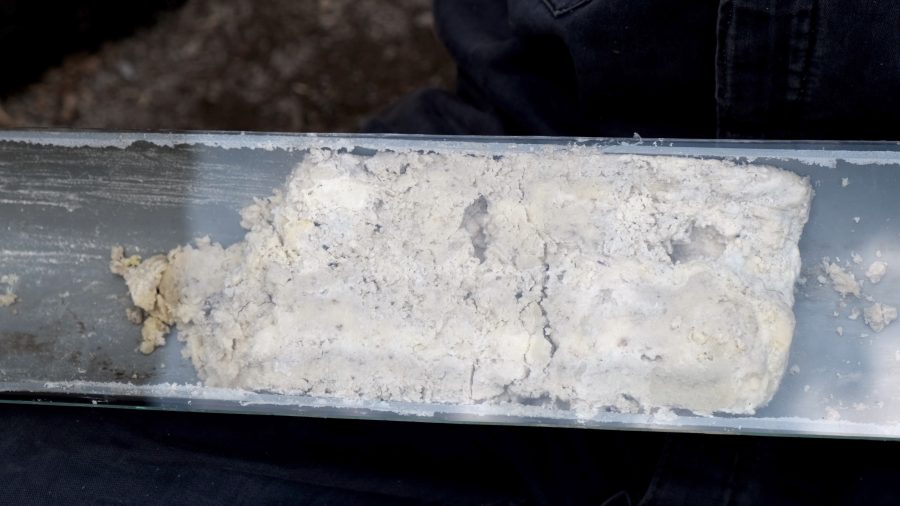
When cooking, it’s tempting to rinse leftover grease down the drain and forget about it. But even small amounts of grease can create major plumbing issues over time. What looks like a harmless liquid when hot transforms into a thick, sticky substance inside your pipes, leading to blockages and costly repairs. Understanding the effects of grease on your plumbing helps protect your drains and prevent emergency calls.
Why Grease Is So Harmful to Drains
Grease includes fats, oils, and other cooking residues from foods like bacon, butter, meat drippings, and frying oil. While these substances look fluid in the pan, they solidify when they cool. As grease travels through your pipes, it coats the interior walls, trapping debris such as food particles, coffee grounds, and soap scum. Over time, this buildup forms stubborn clogs that restrict or completely block water flow.
Grease Buildup Leads to Drain Clogs
A slow drain is often the first sign of grease accumulation. Symptoms include:
• Gurgling sounds
• Foul odors
• Water pooling in the sink
• Backups in connected fixtures
Grease clogs rarely resolve on their own. In many cases, professional drain cleaning becomes necessary to restore proper flow.
Grease Damages Your Plumbing System
Beyond clogs, grease can cause additional long-term damage:
• Pipe corrosion: Certain oils create acidic byproducts that gradually degrade pipes.
• Blockages in sewer lines: Grease collects with other waste and forms hardened masses.
• Septic system issues: Grease solidifies inside septic tanks, reducing capacity and requiring more frequent pumping.
Municipal sewer systems also struggle with grease accumulation, which contributes to expensive public infrastructure problems.
How Grease Impacts Your Home Beyond Plumbing
Grease buildup is unsanitary and contributes to:
• Persistent kitchen odors
• Insect attraction
• Mold and bacteria growth in drains
• Increased risk of sewage backups
Preventing grease entry into your pipes improves both cleanliness and safety in your home.
Proper Ways to Dispose of Grease
Instead of flushing grease down the drain, try these safe alternatives:
1. Let Grease Solidify
Pour grease into a disposable container, let it cool and harden, then throw it in the trash.
2. Wipe Pans Before Washing
Use a paper towel to remove excess grease before placing cookware in the sink.
3. Use a Grease Collection Jar
Reusable grease jars trap fats safely until you can dispose of them.
4. Avoid Garbage Disposal Misuse
Grease, fats, and oils should never go into the disposal—doing so accelerates buildup inside the unit and drain lines.
When to Call a Professional
If your drain is already slow or clogged, plumbers can perform:
• Hydro-jetting
• Professional snaking
• Drain line inspection
• Preventative maintenance
These treatments remove grease buildup safely and restore normal function.
Final Thoughts
Grease may seem insignificant when rinsed down the drain, but the long-term consequences can be serious. With simple disposal habits and preventative care, you can avoid clogs, foul odors, and plumbing repairs. Protect your home—and your pipes—by keeping grease where it belongs: out of the drain.