Which Household Items Are Actually Dishwasher Safe?
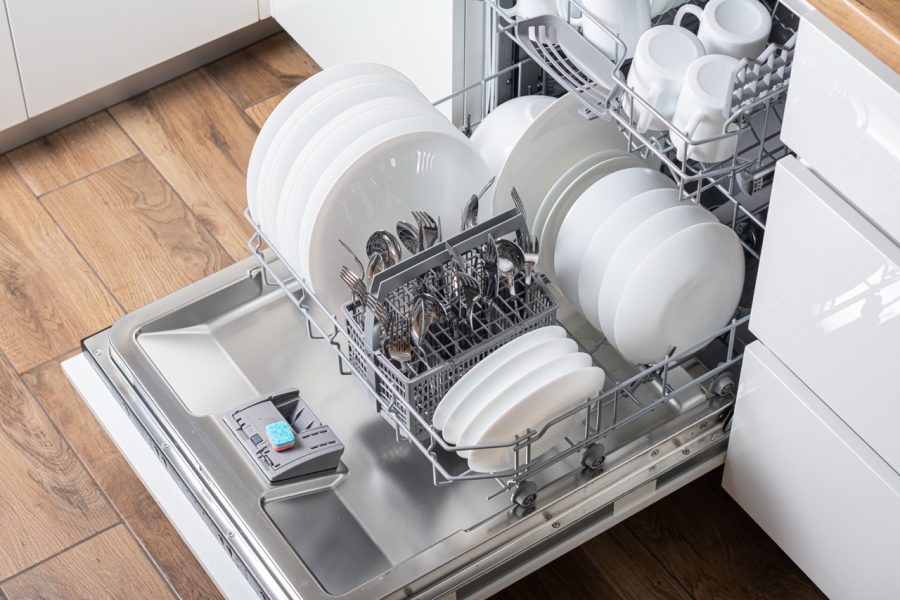
Dishwashers make daily cleaning more convenient, but not everything you own should go into one. Some items can warp, melt, crack, or even damage the appliance itself. Understanding what’s genuinely dishwasher safe helps protect your kitchenware and extend the life of your dishwasher.
Items That Are Typically Dishwasher Safe
1. Everyday Glassware and Plates
Most modern glass and ceramic plates are designed to withstand high heat and water pressure. As long as they don’t have metallic accents, they are safe on the top or bottom rack.
2. Stainless Steel Utensils
High-quality stainless steel holds up well in the dishwasher, though it should not be washed alongside aluminum to prevent discoloration.
3. Plastic Items Labeled “Top Rack Only”
Lightweight plastics can melt if placed near the heating element. Always check for a dishwasher-safe label and keep plastics on the top rack.
4. Silicone Bakeware
Silicone withstands heat and pressure, making it safe for most cycles.
Items You Should Never Put in the Dishwasher
1. Cast Iron
Dishwashers strip cast iron of its seasoning and cause rust. Hand wash only.
2. Nonstick Pans
Dishwasher detergents can break down nonstick coatings, shortening their lifespan.
3. Fine China and Crystal
High heat and aggressive water jets may cause cracking or clouding.
4. Wooden Utensils and Cutting Boards
Excess moisture can cause wood to warp, split, or harbor bacteria.
5. Insulated Tumblers
Dishwashers can damage vacuum seals, making them ineffective.
6. Aluminum and Copper
Dishwasher detergents tarnish and discolor soft metals.
Know Your Dishwasher Symbols
Many items contain icons indicating whether they are dishwasher safe. Look for clear labels on the bottom of cups, bowls, and containers. If a symbol is missing, it’s best to hand wash.
Protecting Your Dishwasher
Incorrect items can clog filters, dull spray arms, and strain the motor. When in doubt, hand washing protects both your dishes and your appliance.
Final Thoughts
Not everything belongs in the dishwasher, and knowing the difference helps preserve your kitchenware. When you understand what’s safe and what’s not, you prevent damage and ensure your dishwasher operates efficiently for years to come.