How to Remove Bathroom Mold and Prevent It From Coming Back
Health Risks of Bathroom Mold
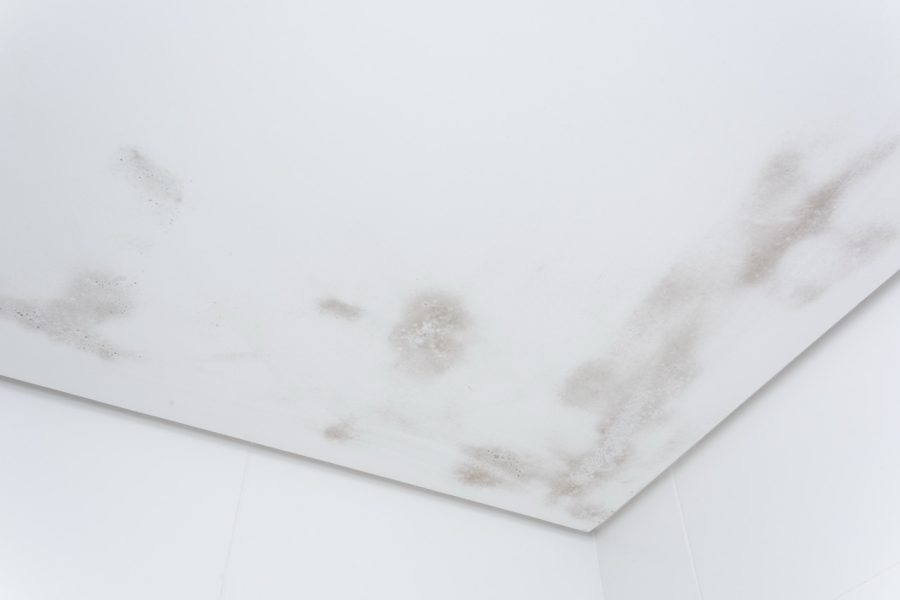
Mold is not just an aesthetic issue. Prolonged exposure can contribute to respiratory irritation, headaches, allergic reactions, and worsening asthma symptoms. Children, elderly individuals, and those with compromised immune systems are especially vulnerable. Even small amounts of mold can release spores into the air every time water runs or steam builds up.
Hidden Places Mold Often Grows
Bathroom mold isn’t always obvious. In addition to grout and ceilings, mold commonly develops:
• Behind toilets
• Under vanities
• Inside cabinet bases
• Around pipe penetrations
• Beneath peeling caulk
These hidden areas often indicate plumbing leaks or poor ventilation rather than surface moisture alone.
The Role of Ventilation
One of the most effective ways to prevent mold is proper airflow. Bathroom exhaust fans should vent outdoors, not into attics or crawl spaces. Fans should run for at least 20 minutes after showers. If your bathroom lacks a fan or it’s underperforming, upgrading ventilation can significantly reduce moisture buildup.
When Mold Indicates a Plumbing Issue
Recurring mold often signals a deeper plumbing problem. Slow leaks behind walls, loose pipe connections, or cracked drain lines continuously feed moisture into surrounding materials. If mold returns shortly after cleaning, a plumbing inspection may be necessary to locate the source.
Professional Mold and Plumbing Inspections
When mold covers large areas or keeps returning, professional remediation may be required. Plumbers can identify hidden leaks, repair failing connections, and recommend moisture-control solutions to prevent future growth.