
Why Is Water Leaking Through the Ceiling After a Shower?
Why a Ceiling Leak After a Shower Is a Serious Warning
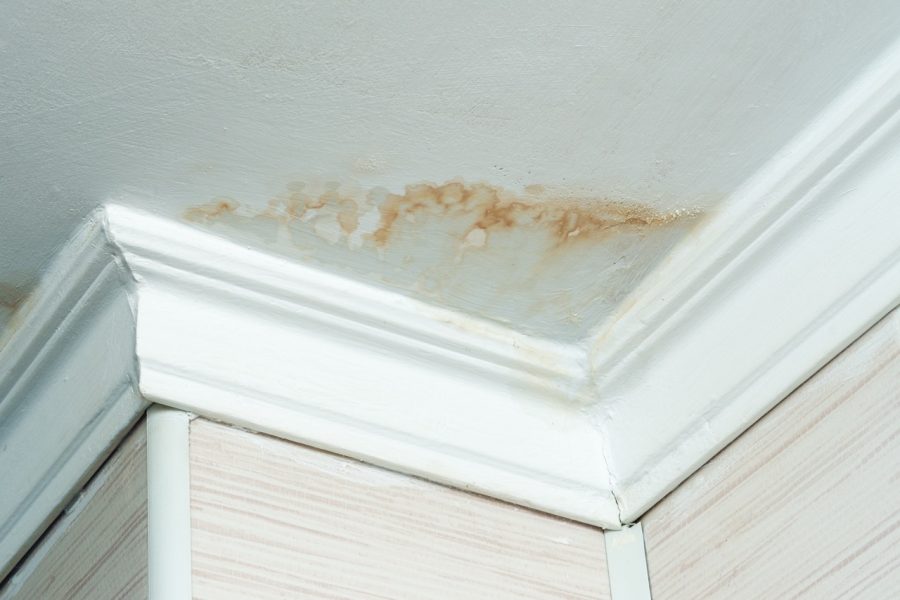
Water dripping or staining on the ceiling after someone showers is never normal. Even if the leak appears minor, it usually indicates a hidden plumbing or waterproofing issue that can worsen quickly. Ignoring the problem can lead to structural damage, mold growth, and costly repairs. Understanding the most common causes helps homeowners act fast and limit damage.
Leaking Drain or Shower Pan
One of the most common reasons water appears in the ceiling after a shower is a problem with the shower drain or pan. The drain assembly includes seals that connect the shower base to the plumbing below. If these seals fail, water escapes every time the shower is used.
Shower pans can also crack or shift over time, especially in older homes. When water bypasses the pan liner, it can soak into framing and eventually drip through the ceiling below.
Cracked or Loose Shower Plumbing
Supply lines and drain pipes run behind walls and under floors. A small crack, loose fitting, or deteriorated joint can leak slowly, only revealing itself when water flows during a shower. These leaks often go unnoticed until visible water damage appears on the ceiling or drywall.
Signs of plumbing pipe issues may include:
- Water stains that grow larger after each shower
- Damp or sagging ceiling material
- Musty odors near the affected area
Failed Waterproofing or Grout
Tile showers rely on proper waterproofing behind the tile surface. Cracked grout, missing caulk, or deteriorated sealant allows water to seep behind walls instead of flowing toward the drain. Over time, moisture builds up and travels downward, eventually leaking through the ceiling.
Even small gaps in grout or caulk can allow significant water intrusion when exposed to daily showers.
Issues With the Shower Valve or Fixtures
The shower valve controls water flow and pressure. If the valve body or connecting pipes develop a leak, water may escape behind the wall only when the shower is running. This type of leak can be difficult to detect because the problem is hidden until water damage appears elsewhere.
Fixtures such as showerheads or diverters can also leak inside the wall if connections loosen or seals wear out.
Condensation Versus a True Leak
In some cases, homeowners mistake condensation for a plumbing leak. Excess humidity from hot showers can cause moisture buildup on cold surfaces. However, condensation typically causes light surface moisture, not dripping water or ceiling stains.
If water appears consistently after each shower or worsens over time, it is more likely a plumbing issue rather than condensation.
Why Delaying Repairs Can Cause Bigger Problems
Water leaks behind ceilings and walls rarely stay contained. Over time, moisture can weaken framing, damage insulation, and encourage mold growth. Mold can spread quickly and impact indoor air quality, leading to health concerns and expensive remediation.
Prompt repairs help minimize damage and reduce overall repair costs.
What To Do If You Notice Water After a Shower
If you see water leaking through the ceiling, take immediate steps to protect your home.
- Stop using the shower until the issue is identified
- Turn off water to the bathroom if needed
- Place a container to catch dripping water
- Contact a licensed plumber for inspection
Avoid cutting into ceilings or walls unless directed by a professional, as this can worsen damage.
When to Call a Professional Plumber
A professional plumber can identify the source of the leak using proper diagnostic tools and experience. Plumbing inspections can pinpoint whether the issue is related to the drain, supply lines, valve, or waterproofing.
Protect Your Home From Hidden Water Damage
Water leaking through the ceiling after a shower is a sign that something is wrong behind the scenes. Addressing the issue quickly helps protect your home, prevent mold, and maintain the integrity of your plumbing system.