How to Protect Your Plumbing as Temperatures Dip to -20°F
Why -20°F Temperatures Are Dangerous for Plumbing
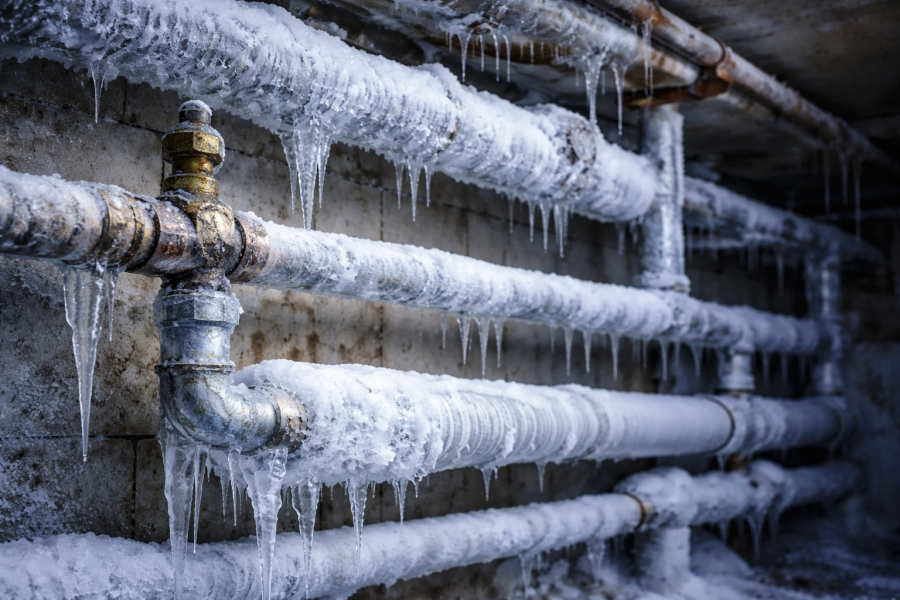
When temperatures fall to -20°F, plumbing systems are under extreme stress. At this level of cold, pipes can freeze rapidly, even in homes that are normally well protected. As water freezes, it expands, creating intense pressure inside pipes. This pressure is what causes pipes to crack or burst, often leading to significant water damage once temperatures rise.
Homes in colder climates, older properties, and buildings with plumbing in exterior walls or unheated spaces face the greatest risk during these conditions.
Keep Indoor Temperatures Consistent
One of the most effective ways to protect your plumbing is maintaining consistent indoor heat.
- Keep thermostats set to the same temperature day and night
- Avoid lowering heat settings overnight to save energy
- Maintain heat in basements, crawl spaces, and utility rooms
Even a short drop in indoor temperature during extreme cold can allow pipes to freeze.
Protect Exposed and Vulnerable Pipes
Pipes located in exterior walls, garages, crawl spaces, and basements are most susceptible to freezing.
Steps to take include:
- Insulating exposed pipes with foam sleeves or pipe wrap
- Sealing gaps or cracks near pipes where cold air can enter
- Closing garage doors to retain warmer air
Insulation helps slow heat loss and reduces the chance of freezing.
Let Faucets Drip During Extreme Cold
Allowing faucets to drip slightly can relieve pressure inside pipes and keep water moving. Flowing water is less likely to freeze than standing water.
Focus on:
- Faucets connected to exterior walls
- Bathrooms or kitchens farthest from the water main
A slow, steady drip can make a significant difference during extreme cold snaps.
Open Cabinet Doors
Opening cabinet doors under sinks allows warm air to circulate around pipes that are normally enclosed. This is especially important in kitchens and bathrooms located on exterior walls.
Be sure to remove any household items that could block airflow around plumbing.
Shut Off and Drain Outdoor Plumbing
Outdoor plumbing components are highly vulnerable in subzero temperatures.
Before temperatures reach extreme lows:
- Disconnect garden hoses
- Shut off outdoor water supply valves
- Drain exterior spigots completely
Water left in outdoor lines can freeze quickly and cause cracks that lead to leaks in spring.
Know Where Your Main Water Shutoff Is
If a pipe does burst, shutting off the main water supply quickly can limit damage. Every homeowner should know the location of their main shutoff valve and ensure it is accessible.
If you suspect a pipe has frozen but not yet burst, turning off the water may prevent flooding when the ice begins to thaw.
Watch for Warning Signs
Early signs of freezing pipes include:
- Reduced water flow
- Frost on exposed pipes
- Unusual noises when turning on faucets
- Strange odors from drains
If you notice any of these symptoms, act immediately.
What Not to Do During Extreme Cold
Avoid using open flames, torches, or high heat sources to warm pipes. These methods can damage pipes and create serious fire hazards. Gradual, controlled warming is always safest.
When to Call a Professional Plumber
If multiple fixtures stop working, pipes are inaccessible, or you suspect a frozen or burst pipe, professional plumbing service is essential. Experienced plumbers have the tools and expertise to safely thaw pipes and repair damage before it spreads.
Stay Ahead of Extreme Cold
Preparing your plumbing before temperatures drop to -20°F can help prevent emergencies, protect your home, and save thousands in repair costs. A proactive approach and quick action during extreme cold are the best defenses against winter plumbing damage.