What to Expect During a Backflow Preventer Inspection
Understanding the Purpose of a Backflow Preventer
Your plumbing system should keep clean water flowing in one direction. Sudden pressure changes from water main breaks or heavy usage can force water to reverse direction. This reversal, called backflow, allows contaminated water from irrigation systems, fire sprinklers, or other sources to enter your drinking water.
A backflow preventer stops reverse flow by sealing automatically when pressure changes occur. Because this device protects public health, most municipalities require annual backflow testing for certain residential and commercial properties.
Step 1: Visual Inspection of the Device
A certified technician begins with a detailed visual inspection. The technician locates the backflow preventer, confirms the make and model, checks for cracks or corrosion, and verifies proper installation.
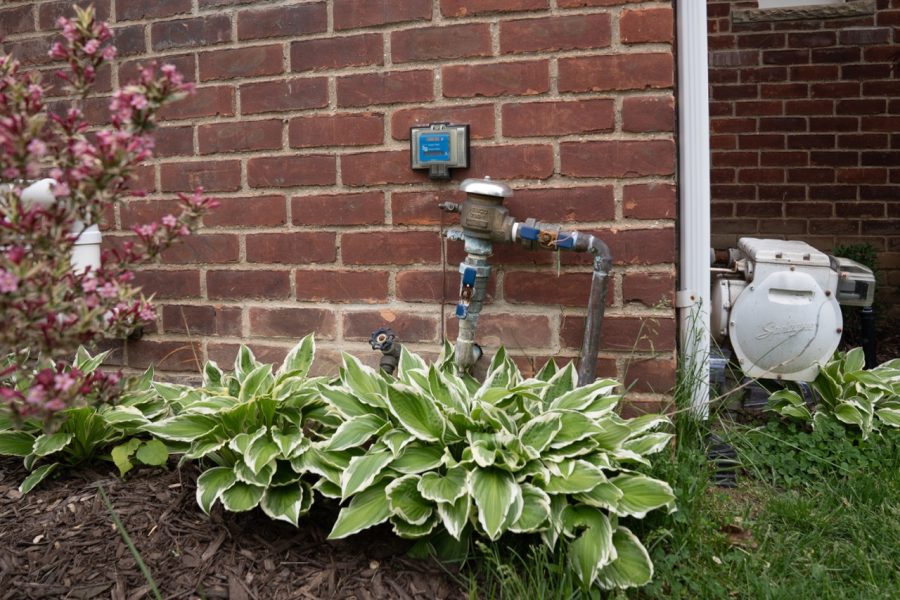
Backflow preventers are typically installed near the main water line, along the exterior foundation, or connected to irrigation systems. The technician ensures the unit remains accessible and protected from environmental damage.
Step 2: Isolating the Device
To test the device accurately, the technician temporarily shuts off water to the backflow preventer. This brief interruption allows proper isolation and pressure testing.
In most residential settings, the water service interruption lasts only a short time and remains manageable.
Step 3: Pressure and Performance Testing
The technician uses a calibrated testing gauge to measure check valve pressure, relief valve operation, and internal seal performance. These readings confirm whether the device will activate during a pressure drop.
The goal is simple: prevent contaminated water from flowing backward into the municipal supply. If the device meets required standards, it passes inspection.
Step 4: Repairs if Needed
If the device fails, the technician explains the issue and recommends a solution. Worn seals, debris buildup, aging components, and internal damage often cause failures.
Technicians can complete many repairs during the same visit. After repairs, they retest the device to confirm proper performance. If the unit shows significant wear or damage, replacement may offer the safest long term option.
Step 5: Documentation and Compliance
After completing the test, the technician prepares a certified inspection report. The report includes device details, test readings, certification information, and pass or fail status.
Many plumbing companies submit this documentation directly to the local water authority on your behalf. Accurate paperwork helps you avoid penalties and ensures your system meets local compliance requirements.
How Long Does an Inspection Take?
Most residential backflow inspections take between 30 and 60 minutes. Commercial properties with multiple devices may require additional time.
Scheduling early in the year helps you avoid seasonal demand, especially before irrigation systems turn on in spring.
Why Annual Testing Matters
Mechanical components wear down over time. Temperature changes, sediment, and daily water pressure fluctuations affect performance.
Annual testing protects drinking water, maintains compliance, identifies small issues early, and reduces the risk of costly system failures. A proactive approach keeps your plumbing system reliable and your water supply safe.
Schedule Your Backflow Inspection
Backflow preventer inspections play a critical role in protecting both private property and public water systems. Annual testing ensures your device functions correctly and meets regulatory requirements.
Working with a licensed, certified plumbing professional gives you confidence that testing, repairs, and documentation meet industry standards. Taking action now keeps your water clean and your system protected year round.