How to Clean and Deodorize Your Garbage Disposal Naturally
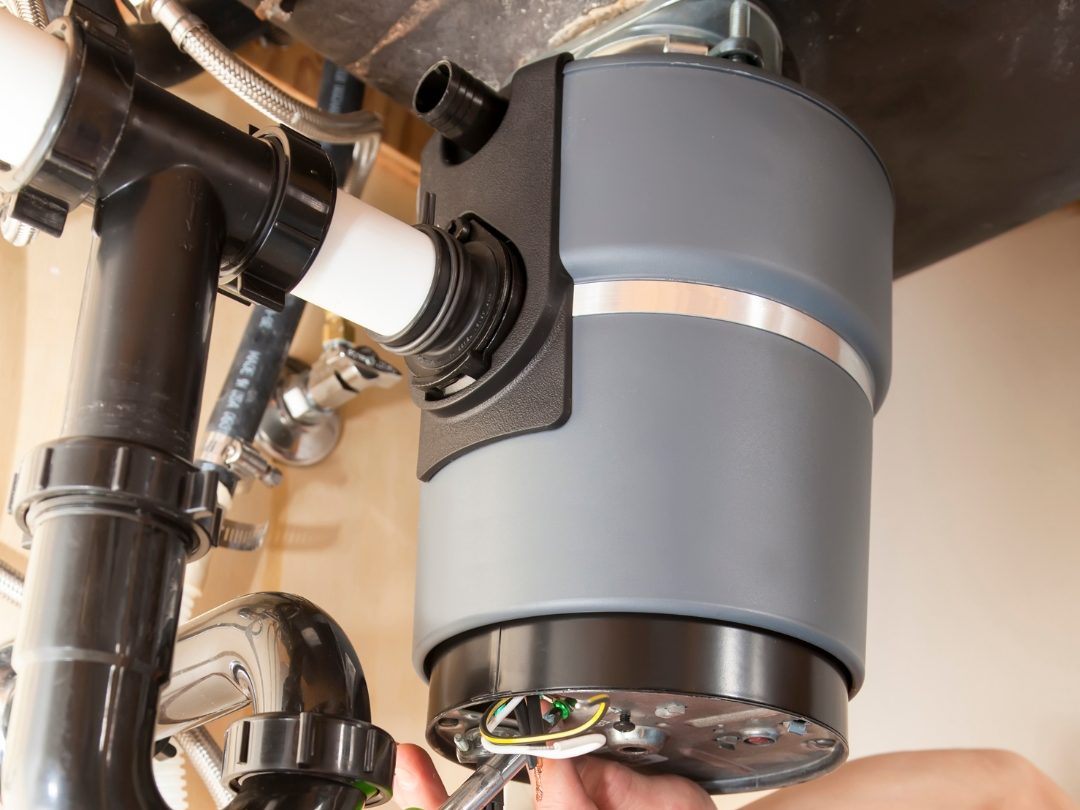
A garbage disposal works hard every day. It grinds food scraps, pushes waste through your drain, and keeps your kitchen cleaner. Over time, however, small food particles and grease can cling to the inside of the unit. This buildup often leads to unpleasant odors, slower draining, and even minor clogs.
The good news is you can clean and deodorize your garbage disposal naturally using items you likely already have at home. Regular maintenance helps extend the life of the unit and keeps your kitchen smelling fresh.
Why Garbage Disposals Start to Smell
Even when your disposal seems to function properly, residue can accumulate inside the grinding chamber, under the splash guard, and along the drain walls. Fibrous foods, grease, and tiny food particles may stick to internal components. As they break down, bacteria grow and create foul odors.
If left untreated, this buildup can reduce efficiency and strain your plumbing system.
Step 1: Flush With Hot Water and Dish Soap
Start with a simple flush. Run hot water from the tap and let it flow into the disposal for about 30 seconds. Then add a few drops of grease-cutting dish soap directly into the unit while it runs.
Keep the disposal running for another 30 seconds to help break down grease and loosen residue. This quick step removes surface grime and prepares the unit for deeper cleaning.
Step 2: Use Baking Soda and Vinegar
Baking soda and vinegar create a natural foaming reaction that helps loosen debris and neutralize odors.
- Turn off the disposal.
- Pour one half cup of baking soda into the drain.
- Add one cup of white vinegar.
- Let the mixture sit for 10 to 15 minutes.
After the foaming stops, rinse with hot water while running the disposal. This method cleans the grinding chamber and freshens the drain without harsh chemicals.
Step 3: Scrub the Splash Guard
Many homeowners forget to clean the rubber splash guard. Food particles often collect underneath it.
Turn off the disposal and unplug it if possible. Use an old toothbrush or small scrub brush with warm, soapy water to clean underneath the rubber flaps. Pull them back gently and scrub thoroughly.
This step alone can eliminate strong odors.
Step 4: Grind Ice and Citrus Peels
Ice cubes help dislodge stuck debris from the grinding components. Add a handful of ice cubes into the disposal and run it with cold water. The ice scrapes the interior and sharpens the blades.
Afterward, drop in a few citrus peels such as lemon or orange. Grind them briefly to release natural oils that leave a fresh scent behind.
Avoid using large quantities of peels, as too many can strain the motor.
Step 5: Prevent Future Odors
Consistent maintenance keeps your disposal working properly. Follow these simple habits:
- Always run cold water while operating the disposal.
- Let the water run for 10 to 15 seconds after turning it off.
- Avoid pouring grease or oil down the drain.
- Keep fibrous foods like celery and corn husks out of the unit.
Monthly cleaning prevents buildup before it becomes a bigger issue.
When to Call a Professional Plumber
If odors persist after cleaning, or if your disposal hums, leaks, or drains slowly, the issue may extend beyond surface buildup. Internal components could wear down, or debris may have traveled deeper into the drain line.
A professional plumber can inspect the system, clear hidden blockages, and determine whether repair or replacement makes more sense.
Keep Your Kitchen Fresh and Functional
Natural cleaning methods protect your plumbing system and help you avoid harsh chemical cleaners. With routine care, your garbage disposal can last for years while keeping your kitchen clean and odor free.
If you notice ongoing issues or suspect a clog, schedule an inspection before minor problems turn into costly repairs. Regular maintenance and professional support ensure your kitchen plumbing stays efficient and reliable.