What Homeowners Should Know About Pipe Corrosion
What Causes Pipe Corrosion
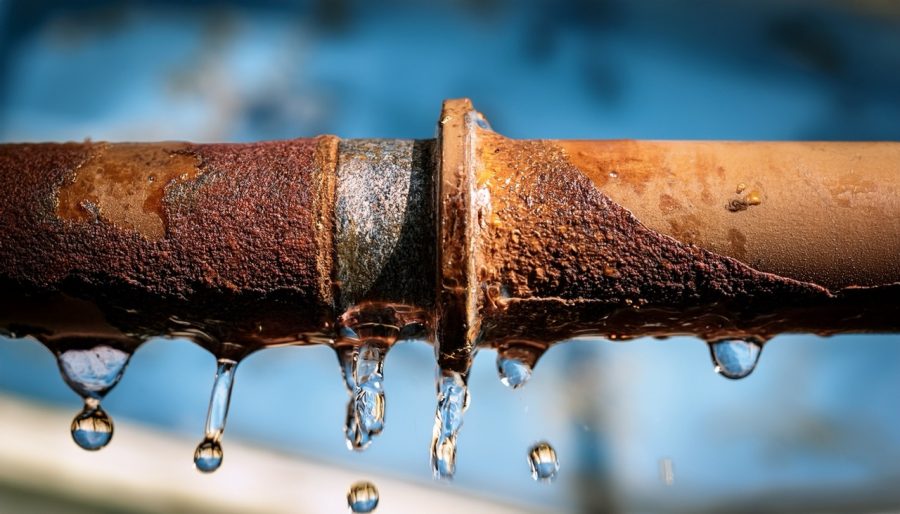
Pipe corrosion develops gradually as materials break down due to water chemistry, age, and environmental conditions. Homes with older plumbing systems, especially those using galvanized steel, are more susceptible.
Over time, corrosion weakens pipes, leading to leaks, reduced water flow, and potential system failure.
Early Warning Signs to Watch
Recognizing corrosion early can help prevent serious issues. Common signs include:
- Rust-colored or discolored water
- Metallic taste or odor
- Frequent small leaks
- Reduced water pressure
These symptoms often indicate that pipes are deteriorating from the inside out.
Impact on Water Quality
Corroded pipes can affect the quality of your water. Particles from deteriorating materials can enter your water supply, leading to discoloration and unpleasant taste.
Addressing corrosion improves not only your plumbing system but also the safety and quality of your water.
Why Ignoring Corrosion Is Risky
Corrosion does not remain stable. It continues to worsen over time, increasing the risk of sudden pipe failure or significant leaks.
What starts as a minor issue can quickly become a major repair if left unaddressed.
Repair vs Replacement
Depending on the extent of corrosion, solutions may include localized repairs or full pipe replacement. In many cases, upgrading to modern materials like copper or PEX provides long-term durability and improved performance.
Long-Term Protection Strategies
Routine plumbing inspections are key to preventing corrosion-related problems. Monitoring water pressure and addressing small leaks early can also help extend the life of your system.
To explore your options, visit our water line repair and installation services page for more information.