Adjusting Toilet Flush Volume for Better Water Efficiency
Introduction
Toilets are one of the largest sources of water use in most homes. Older toilets may use far more water per flush than necessary. Adjusting flush volume is a simple way to conserve water, lower utility bills, and reduce strain on your plumbing system.
Understanding How Flush Volume Is Controlled
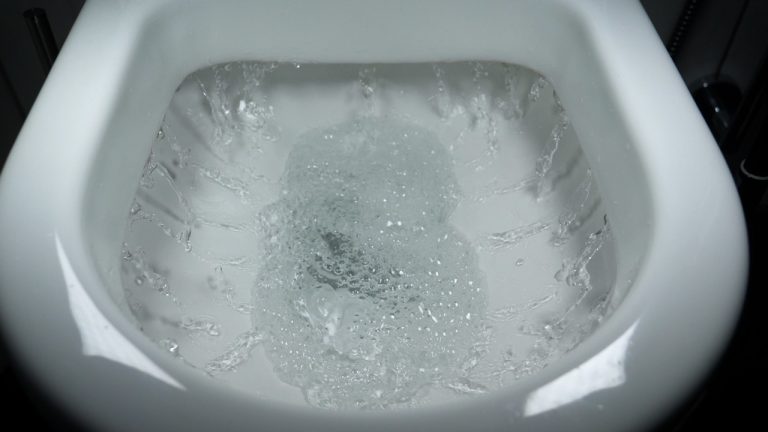
Flush volume depends on the amount of water stored in the tank. This is regulated by the fill valve, float height, and flapper. When the toilet is flushed, the flapper lifts and releases the stored water into the bowl.
How to Lower the Water Level
Open the tank lid and locate the float. On most modern fill valves, the float height can be adjusted using a screw or clip. Lowering the float reduces the amount of water entering the tank after each flush.
Flapper Condition and Efficiency
A worn or poorly sealing flapper can cause water to leak continuously into the bowl. Replacing it with an adjustable or high efficiency flapper improves flush performance while preventing waste.
Benefits of Adjusting Flush Volume
Lower water usage reduces monthly bills and supports conservation efforts. Proper adjustments also reduce wear on internal components and improve overall toilet reliability.
When Replacement Is a Better Option
If your toilet struggles to flush effectively after adjustments, upgrading to a modern high efficiency toilet may be the best solution.