How to Prevent Frozen Pipes During Winter
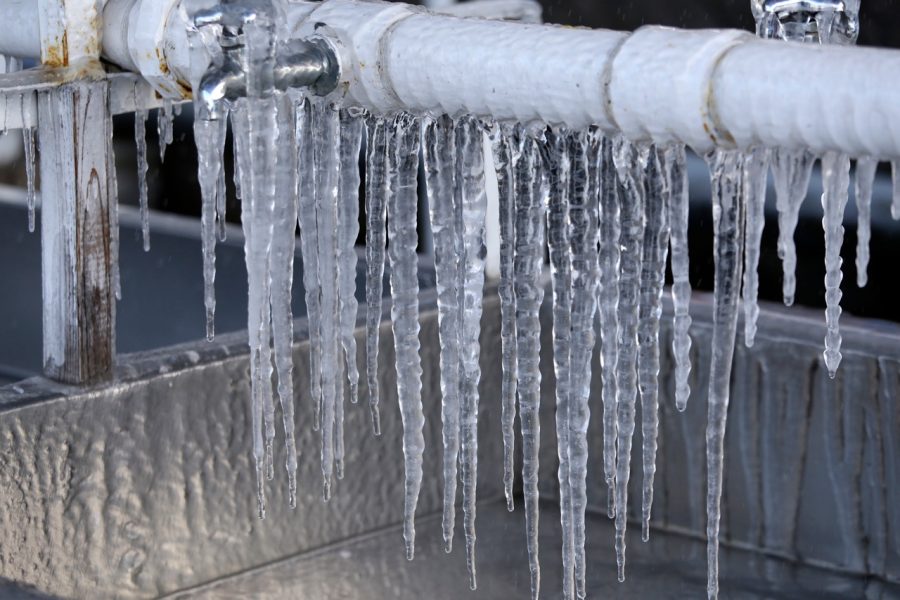
Frozen pipes are one of the most damaging winter plumbing issues homeowners face. When water freezes, it expands and creates extreme pressure inside the pipe, leading to cracks or full bursts. Preventing frozen pipes is essential for avoiding flooding, repairs, and major water damage.
Why Pipes Freeze
Pipes freeze when they are exposed to cold air, typically in:
• Crawl spaces
• Basements
• Attics
• Exterior walls
• Under sinks
• Outdoor hose bibs
Understanding where pipes are most vulnerable helps you protect them.
Steps to Prevent Frozen Pipes
1. Insulate Exposed Pipes
Foam insulation sleeves prevent heat loss and protect vulnerable areas.
2. Seal Drafts and Openings
Cold air entering through gaps can quickly lower pipe temperatures.
3. Keep a Slow Drip on Cold Nights
Running water prevents freezing by relieving pressure inside pipes.
4. Open Cabinet Doors
This allows warm air from the room to circulate around under-sink pipes.
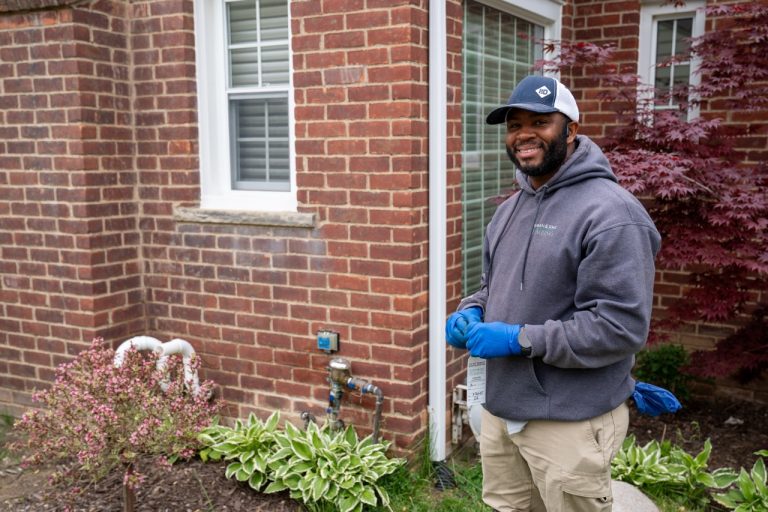
5. Disconnect Outdoor Hoses
Water trapped in hose bibs can freeze and damage interior plumbing.
6. Maintain Indoor Temperatures
Keep your home above 55 degrees, even when you’re away.
7. Install Heat Tape
Electric heat tape helps protect extremely vulnerable pipes.
What to Do If Pipes Are Already Frozen
• Turn off the main water supply
• Open faucets to relieve pressure
• Use gentle heat like a hair dryer
• Never use an open flame
If you can’t locate the frozen section, call a plumber immediately.
Final Thoughts
Frozen pipes are preventable with the right preparation. Protecting vulnerable areas and maintaining warm airflow reduces the risk of damage and keeps your home safe throughout winter.