How to Spot Post-Winter Plumbing Wear Around Your Home
How to Spot Post-Winter Plumbing Wear Around Your Home
Winter can be hard on a home’s plumbing system. Freezing temperatures, shifting materials, increased strain, and long periods of cold weather can all leave behind plumbing wear that may not be obvious at first. As spring arrives, it is a smart time to take a closer look at your plumbing and watch for signs that winter may have caused damage or accelerated wear.
Catching these problems early can help prevent leaks, water damage, drainage issues, and more expensive repairs down the line.
Check Outdoor Faucets and Exterior Plumbing
Outdoor plumbing is one of the first places to inspect after winter. Hose bibs and exterior faucets are exposed to colder conditions, which can increase the risk of cracks, leaks, and connection problems.
Turn outdoor faucets on and look for dripping, weak flow, or signs of water escaping where it should not. If a pipe inside the wall was damaged by freezing, you may notice moisture or leaking once the faucet is used again. Even a small issue here can lead to bigger water damage if ignored.
Look for Pipe Leaks and Moisture
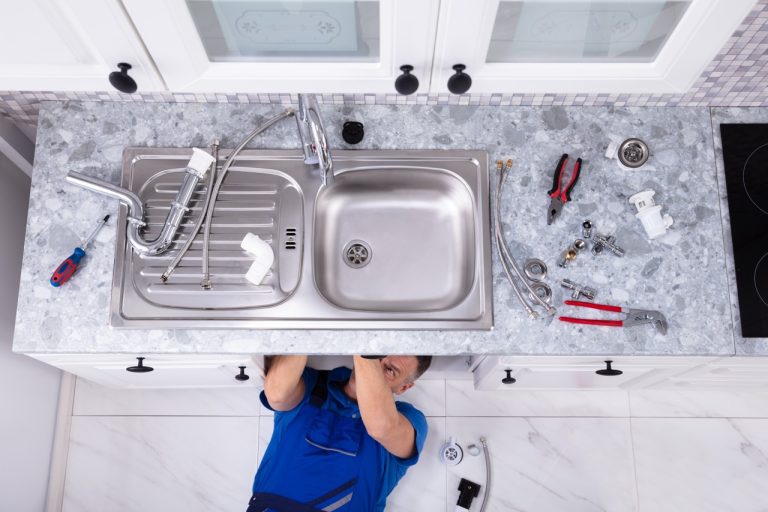
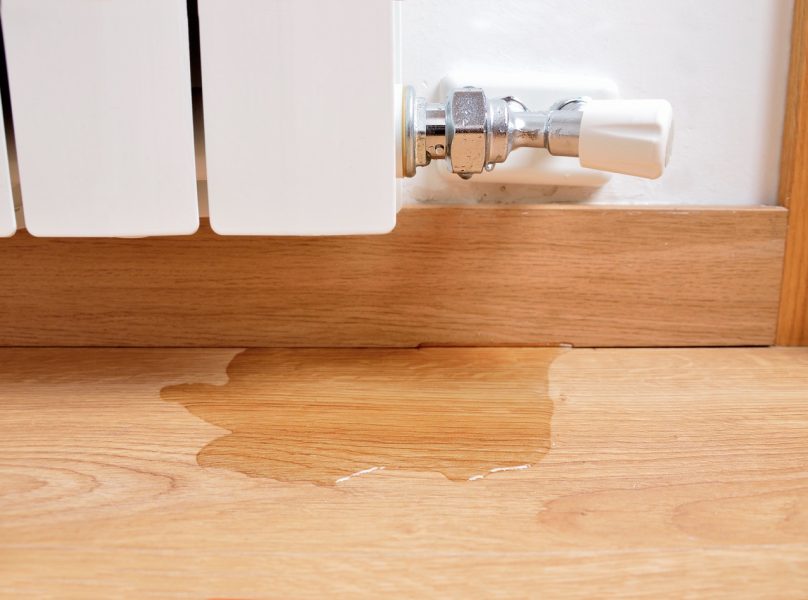
Indoor pipes may also show signs of post-winter wear. Check exposed plumbing in basements, laundry areas, utility spaces, and under sinks. Look for corrosion, rust, damp spots, staining, or visible drips. You may also notice musty odors or water marks that suggest a small leak has started.
Cold weather can put stress on pipe connections, especially in older homes or in areas with little insulation. If something looks off, it is worth having it inspected before the problem spreads.
Watch for Drain and Sewer Warning Signs
Winter conditions can also affect drain performance. If drains are slower than usual, making unusual noises, or backing up more often, there may be buildup or a deeper issue that should be addressed.
Spring is a good time to pay attention to changes in how your plumbing system handles daily use. Recurring slow drains, unpleasant odors, or signs of backup may point to a problem that should not be ignored.
Professional drain cleaning and plumbing service can help restore flow and identify concerns before they become more disruptive.
Test Your Sump Pump Before Heavy Rain
If your home has a sump pump, spring is the right time to test it. Winter wear, lack of recent use, or hidden issues can leave a sump pump less prepared for spring rain. A system that fails during a storm can put your basement at risk very quickly.
Check that the pump powers on, responds properly, and removes water as expected. It is also wise to inspect the discharge line and confirm the system is ready for the season ahead. For more guidance, read our related article on signs your sump pump is not ready for spring.
Notice Changes in Water Pressure
If water pressure feels different after winter, do not overlook it. A drop in pressure can point to leaks, buildup, valve issues, or other plumbing wear. It may show up in one fixture or throughout the home.
While low pressure is not always urgent, it is often worth investigating. Addressing the cause early can help restore comfort and prevent further issues.
Start Spring with a Plumbing Check
Post-winter plumbing wear is not always dramatic, but small warning signs can lead to bigger repairs when left unaddressed. A simple seasonal inspection can help you identify concerns, improve performance, and protect your home as the weather changes.
From outdoor plumbing checks to sump pump inspections and leak detection, Putman & Sons Plumbing helps homeowners start spring with greater confidence. A little attention now can help you avoid larger plumbing problems later.