Plumbing in Historic Homes: Challenges and Tips
Why Historic Homes Have Unique Plumbing Needs
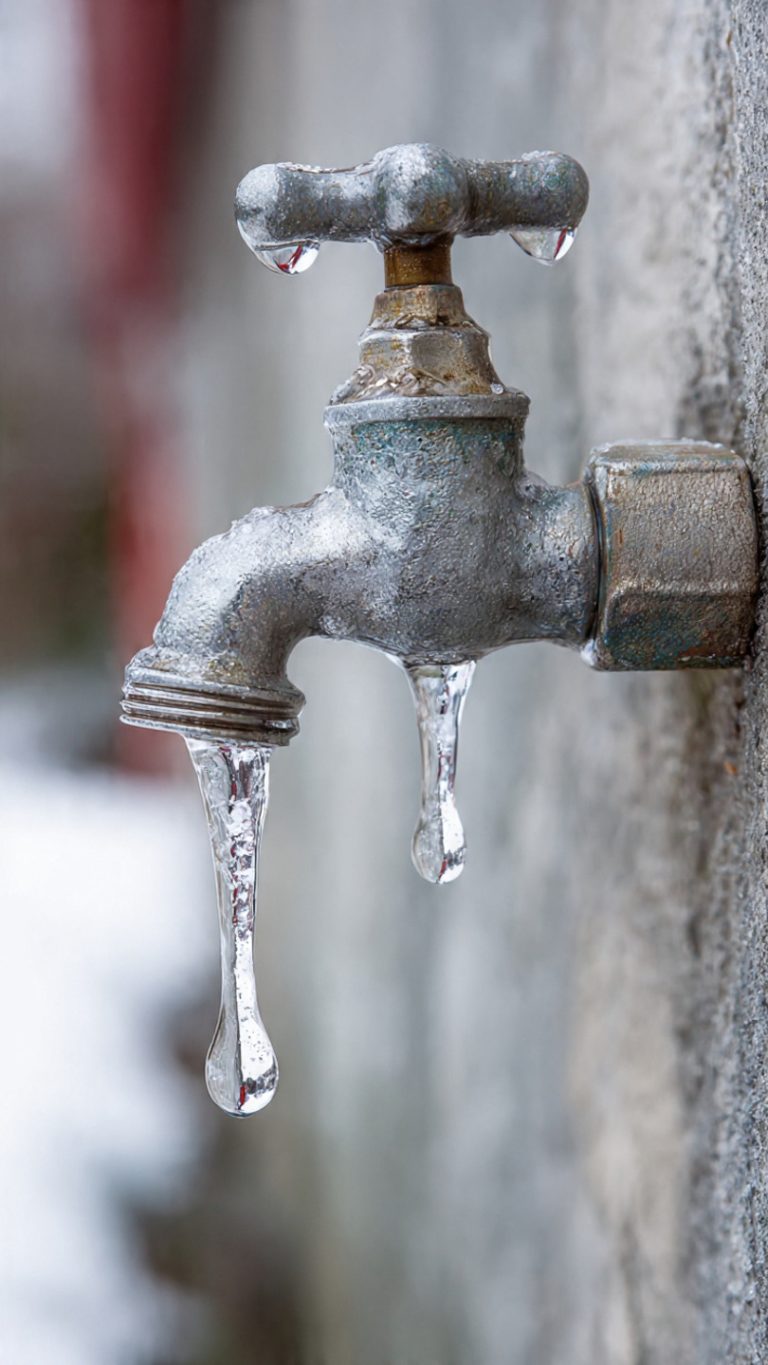
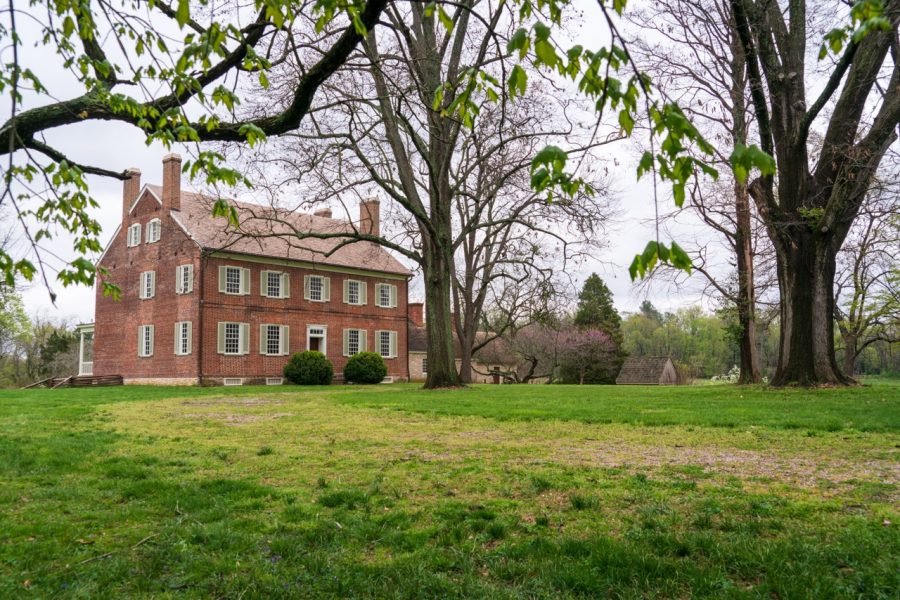
Historic homes offer charm, craftsmanship, and character, but their plumbing systems often reflect the era in which they were built. Many older homes still rely on outdated materials and layouts that can struggle to meet modern demands.
Understanding these challenges helps homeowners protect their property while preserving its historic value.
Common Plumbing Materials in Older Homes
Historic homes may contain plumbing materials that are no longer used today.
Common materials include:
- Galvanized steel pipes
- Cast iron drain lines
- Lead supply pipes
- Clay sewer lines
These materials can corrode, crack, or restrict water flow over time.
Low Water Pressure Issues
One of the most common complaints in historic homes is low water pressure. Corrosion buildup inside older pipes can reduce the internal diameter, limiting water flow to fixtures.
In some cases, pressure issues may also be caused by outdated supply lines or partially closed valves.
Drain and Sewer Line Problems
Older drain and sewer systems are more vulnerable to blockages and root intrusion. Clay and cast iron pipes can crack as the ground shifts, allowing roots to enter and create recurring backups.
Regular inspections are especially important for historic homes to catch issues early.
Hidden Plumbing and Access Challenges
Historic homes were not designed with modern plumbing access in mind. Pipes may run behind plaster walls, under original flooring, or through tight crawl spaces. This can make repairs more complex and time consuming.
Working with a plumber experienced in older homes helps minimize unnecessary damage during repairs.
Modern Plumbing Codes and Historic Homes
Plumbing codes have changed significantly over time. When making upgrades or repairs, older systems may need to be brought up to current standards. This can include adding proper venting, updating pipe materials, or installing modern shutoff valves.
While updates may seem extensive, they often improve safety and reliability.
Tips for Maintaining Plumbing in Historic Homes
Proper care can extend the life of older plumbing systems.
Helpful tips include:
- Schedule regular plumbing inspections
- Address small leaks immediately
- Avoid chemical drain cleaners
- Know the location of main shutoff valves
- Upgrade sections of piping gradually
Preventive maintenance is key to avoiding emergencies.
Balancing Preservation and Performance
Many homeowners worry about preserving original features while upgrading plumbing. Skilled plumbers can often modernize systems without altering visible elements of the home.
Careful planning allows you to improve performance while maintaining historical integrity.
When to Consider a Plumbing Upgrade
If your home experiences frequent leaks, backups, or pressure issues, it may be time to consider targeted upgrades. Replacing aging pipes in phases can improve reliability without requiring a full system overhaul.
Protecting the Value of Your Historic Home
Well maintained plumbing protects not only daily comfort but also the long term value of a historic home. Addressing plumbing challenges proactively helps preserve the structure, prevent water damage, and ensure the home continues to stand strong for generations to come.