Preparing for Winter Plumbing Emergencies: What Homeowners Should Know
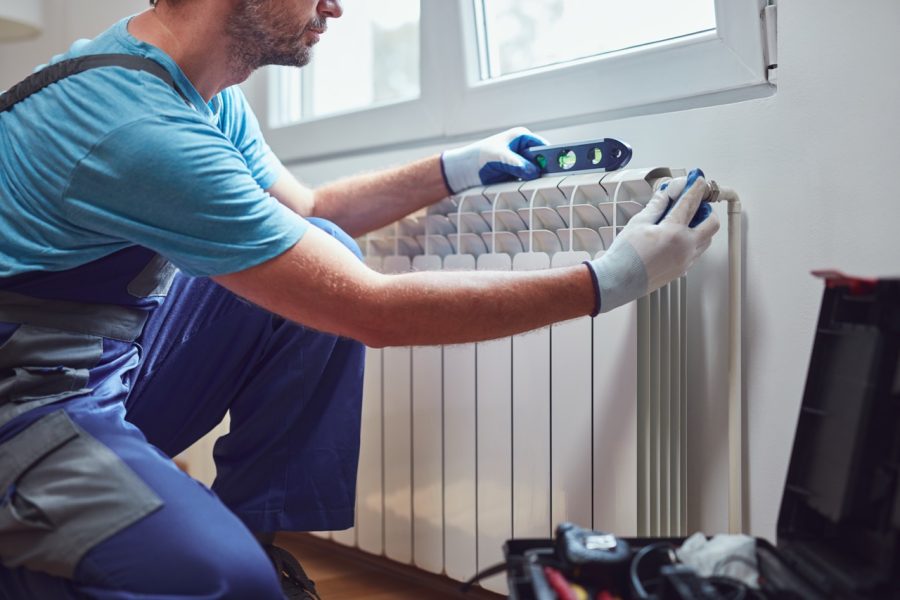
Winter places unique stress on plumbing systems. Freezing temperatures, heavy snow, and sudden thaws can trigger a range of plumbing emergencies. With preparation, homeowners can reduce the risk of damage and feel confident their home is protected when temperatures drop.
Insulate Exposed Pipes
Pipes in unheated areas are most vulnerable during winter. Use foam sleeves or insulation wrap to protect pipes in:
• Basements
• Crawl spaces
• Exterior walls
• Attics
Maintain a Consistent Indoor Temperature
Avoid lowering your thermostat too much at night or while away. Pipes freeze faster when temperatures inside dip below 55 degrees.
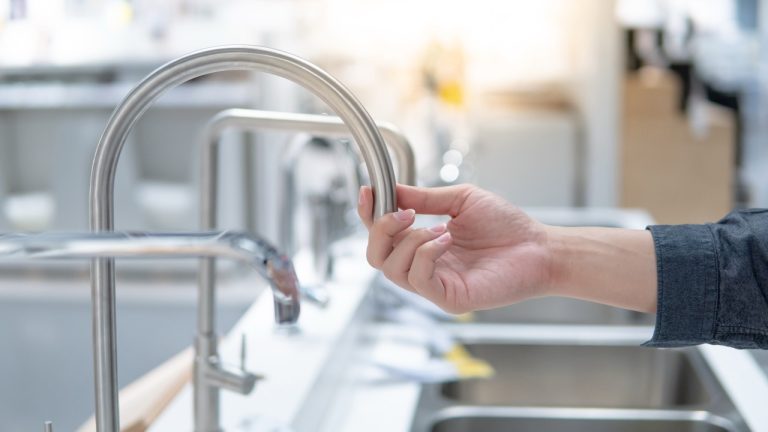
Let Faucets Drip During Extreme Cold
A slow drip keeps water moving and reduces pressure buildup inside pipes, lowering the risk of freezing.
Disconnect Outdoor Hoses
Leaving hoses attached can cause ice to form inside exterior faucets, leading to pipe bursts inside the wall.
Know How to Shut Off Your Water
If a pipe bursts, shutting off your main water supply immediately can prevent catastrophic damage. Ensure every household member knows where the valve is located.
Check Your Sump Pump
Pour water into the basin to confirm it activates properly. Winter thaws can overwhelm a failing pump.
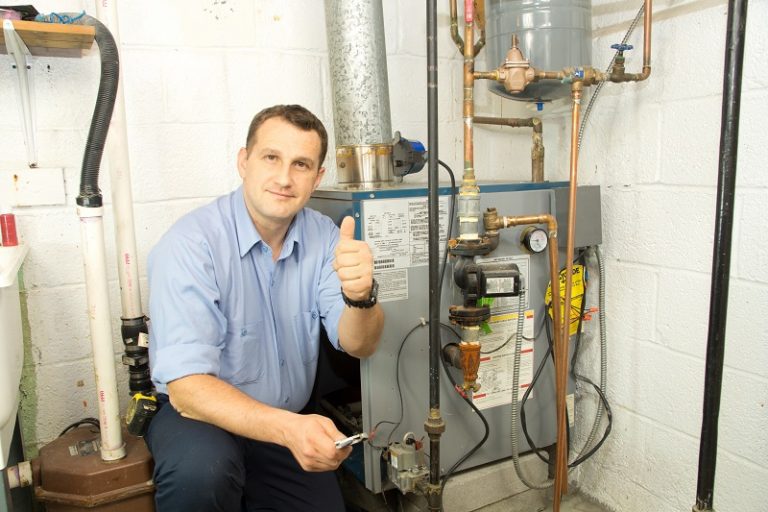
Schedule a Professional Inspection
A plumber can spot vulnerabilities you might miss, such as weak pipe joints, minor leaks, and insulation gaps.
Final Thoughts
Winter plumbing emergencies are stressful, but preparation minimizes risks. With a few preventative steps and awareness of your plumbing system, you can protect your home from costly damage throughout the season.