A Homeowner’s Guide to Preventing Clogs and Damage
Introduction
Many plumbing problems start with what goes down the drain. While drains are designed to carry away water and waste, they are not built to handle everything homeowners put into them. Knowing what belongs in your drains and what does not can prevent clogs, sewer backups, and expensive repairs.
What Can Safely Go Down the Drain
In general, drains are designed for water and small amounts of biodegradable waste.
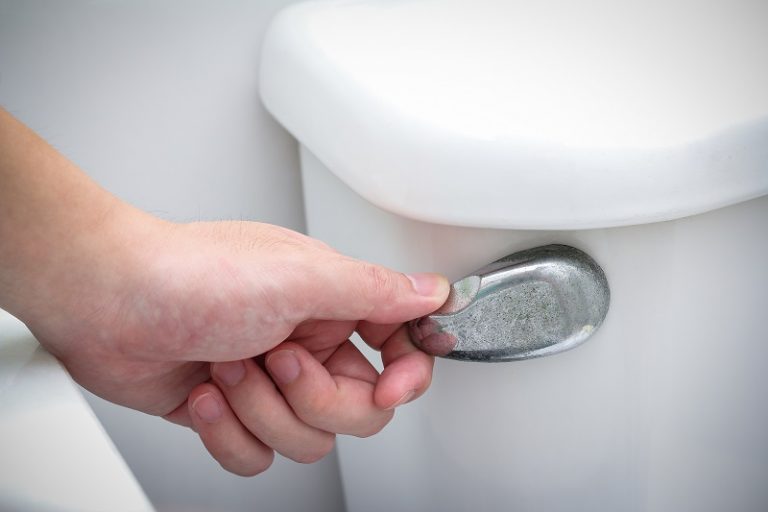
Kitchen sinks can handle water, soap residue, and small food particles that slip past strainers. Bathroom sinks and tubs are meant for water, soap, shampoo, and toothpaste. Toilets should only receive human waste and toilet paper.
Even with approved materials, moderation matters. Excessive grease, soap buildup, or paper products can still cause issues over time.
Common Items That Should Never Go Down the Drain
Grease and cooking oil are among the biggest drain offenders. While liquid when warm, grease hardens as it cools and coats pipes, eventually creating blockages.
Food scraps like coffee grounds, eggshells, rice, and pasta swell or clump together and can clog pipes even if you have a garbage disposal.
In bathrooms, wipes, paper towels, cotton balls, dental floss, and hygiene products should never be flushed. Many items marketed as flushable do not break down properly and often cause sewer blockages.
Hair is another major problem. It binds with soap residue and creates stubborn clogs in tub and shower drains.
Why Improper Disposal Causes Plumbing Damage
Improper materials restrict water flow and put pressure on your plumbing system. Over time, this can lead to pipe corrosion, joint failure, and sewer line backups. In severe cases, clogs can cause wastewater to back up into sinks, tubs, or basements.
Tips for Protecting Your Drains
Use drain strainers in kitchens and bathrooms to catch debris. Dispose of grease in sealed containers rather than pouring it down the sink. Educate household members on proper flushing habits. Schedule professional drain cleanings if you notice slow drainage or recurring clogs.
When to Call a Plumber
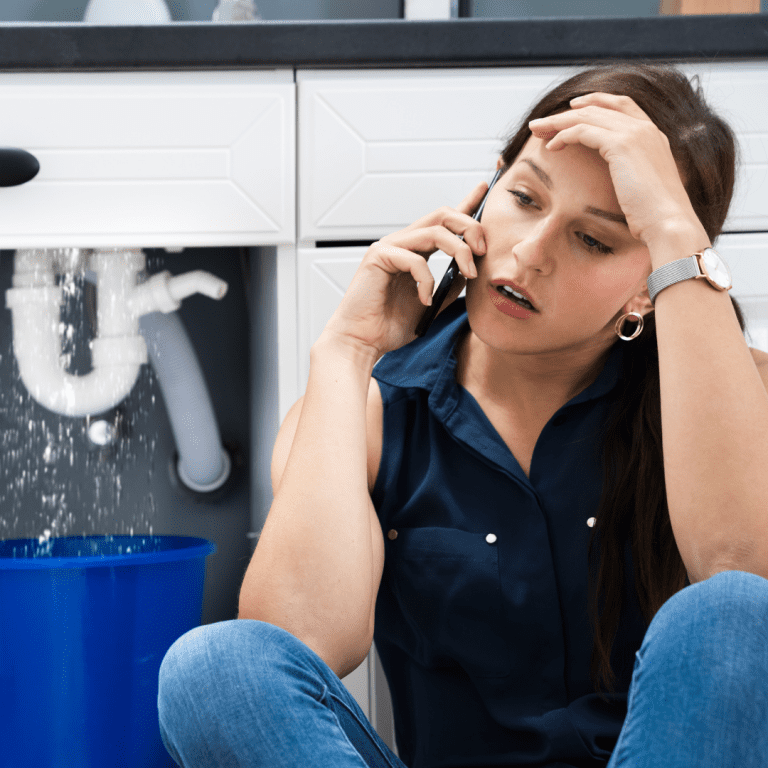
If drains clog frequently, gurgle, or emit odors, the issue may be deeper in the plumbing system. A professional plumber can identify and correct the problem before it worsens.