The Hidden Hazards of Servicing and Maintaining Old Boiler Systems
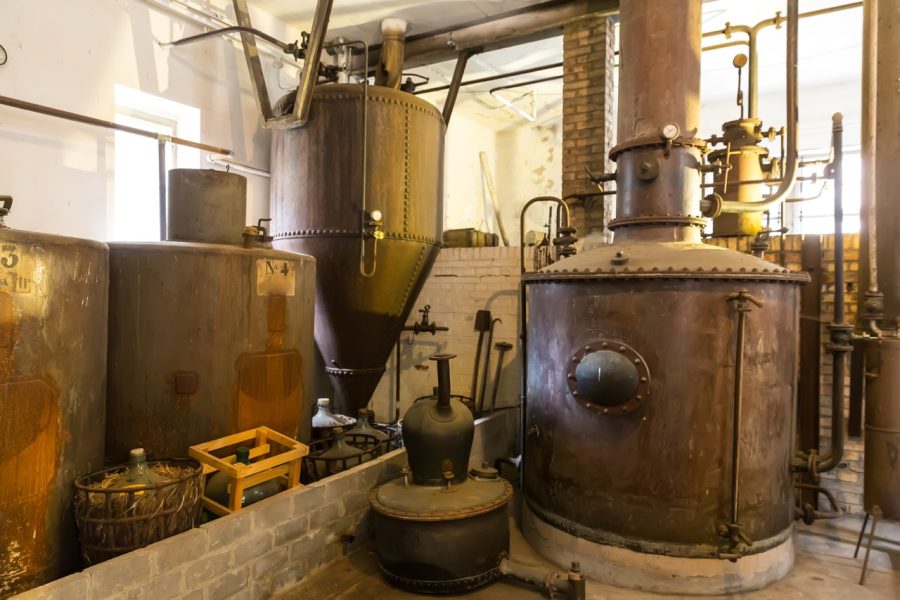
Older boiler systems can still provide heat, but they come with unique risks that homeowners and technicians must take seriously. As boilers age, materials degrade, parts become obsolete, and safety concerns increase. Understanding these hazards helps homeowners make informed decisions about maintenance or replacement.
Outdated Safety Features
Many older boilers lack modern safety mechanisms such as automatic shutoff systems, pressure relief upgrades, and advanced temperature controls. Without these features, failures can become more dangerous and harder to detect early.
Corrosion and Material Breakdown
Boilers operate under constant heat and pressure. Over time, metal components corrode, seals weaken, and internal parts deteriorate. Corrosion increases the risk of leaks, pressure failures, and inefficient operation.
Carbon Monoxide Risks
Aging boilers are more prone to improper combustion and venting issues. Cracked heat exchangers or blocked flues can allow carbon monoxide to leak into the home. This odorless gas poses serious health risks and requires immediate attention.
Limited Replacement Parts
As boiler models age, replacement parts may become difficult or impossible to source. This can lead to longer repair times, higher service costs, or temporary fixes that do not fully resolve the problem.
Efficiency Loss Over Time
Older boilers typically operate at much lower efficiency levels than modern systems. Sediment buildup, worn burners, and outdated controls force the system to work harder, increasing energy costs while delivering less consistent heat.
Servicing Challenges
Working on older boilers often requires specialized knowledge and extra caution. Tight clearances, brittle components, and outdated designs increase the risk of accidental damage during repairs.
When Replacement Becomes the Safer Option
If a boiler is approaching the end of its lifespan, frequent repairs may no longer be practical or safe. Newer systems offer improved efficiency, better safety features, and long-term reliability.
Final Thoughts
While regular maintenance can extend the life of a boiler, there comes a point when replacement is the safer and more cost-effective choice. A professional evaluation helps determine whether continued service or system replacement is the best path forward.