The Most Common Plumbing Emergencies and What Causes Them
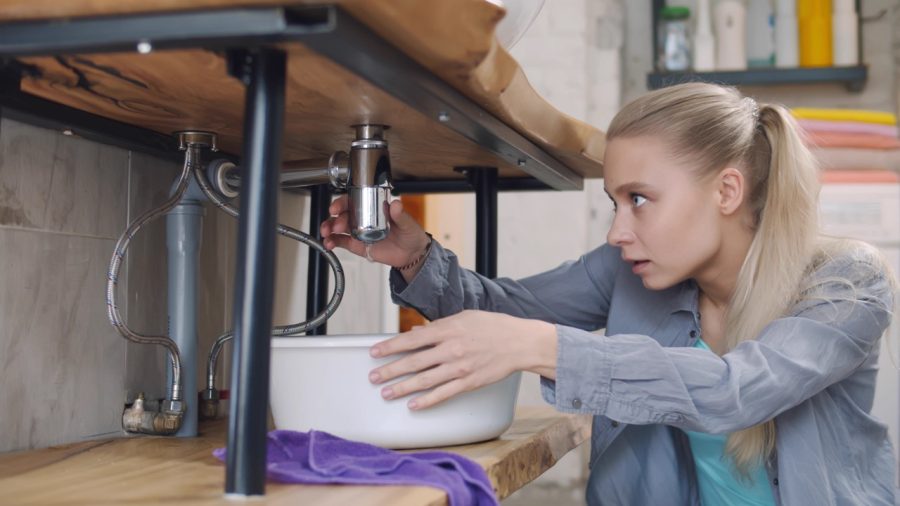
Plumbing emergencies can happen suddenly and often lead to costly repairs if not handled quickly. Understanding the most common emergencies helps you respond effectively and prevent them from occurring in the first place.
Burst Pipes
Cold weather, corrosion, and high water pressure are the leading causes of burst pipes. When pipes rupture, large amounts of water can flood your home in minutes. Insulation and pressure regulation prevent most pipe bursts.
Clogged Drains and Sewer Backups
Food waste, grease, hair, and debris frequently clog drains. Sewer line blockages—often caused by tree roots—can push wastewater back into your home, posing health and safety risks.
Water Heater Failures
Sediment buildup, failing heating elements, and old age cause water heaters to malfunction. Common symptoms include no hot water, strange noises, and leaks around the tank.
Overflowing Toilets
A blockage in the trap or drain line prevents toilets from flushing normally. When water has nowhere to go, it overflows quickly and can cause significant damage to flooring.
Leaking Fixtures and Pipes
Small leaks can escalate over time. Corrosion, loose connections, or worn gaskets are frequent culprits. Unnoticed leaks may lead to mold growth and structural damage.
Sump Pump Failures
When storms hit, a sump pump failure can result in basement flooding. Power outages, mechanical failure, or clogged discharge lines are typical causes.
Final Thoughts
Many plumbing emergencies are preventable with routine maintenance and early detection. Understanding the warning signs helps you act quickly before minor issues become major repairs.