What Not to Do When Unclogging a Toilet in Your Home
Why Toilet Clogs Are Easy to Make Worse
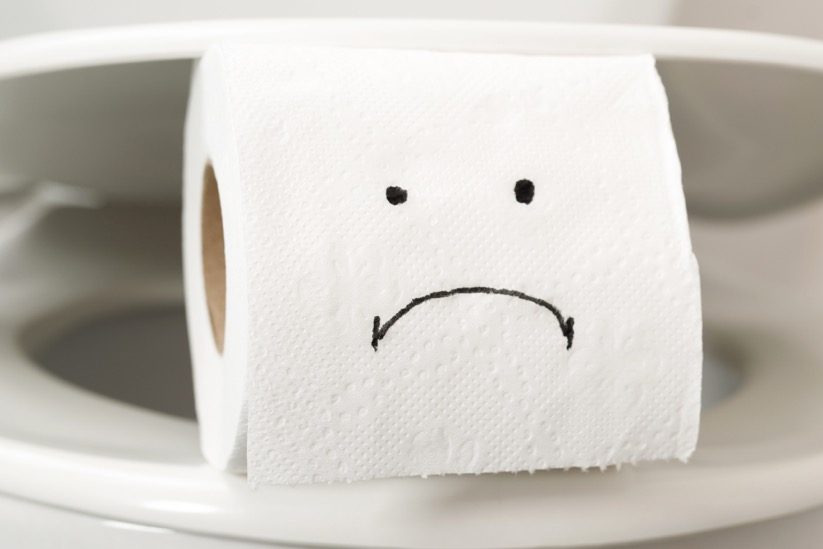
A clogged toilet is one of the most common household plumbing problems, and also one of the easiest to accidentally make worse. In a moment of frustration, many homeowners reach for quick fixes that can turn a simple clog into an overflowing mess or a damaged plumbing system. Knowing what not to do is just as important as knowing the right solution.
Do Not Keep Flushing Repeatedly
One of the biggest mistakes homeowners make is flushing the toilet over and over, hoping the clog will clear itself. Each flush adds more water to the bowl, increasing the risk of overflow. If the water level is already high, stop flushing immediately. Overflowing toilets can cause water damage to floors, baseboards, and ceilings below.
Do Not Use Chemical Drain Cleaners
Chemical drain cleaners may seem like a fast solution, but they are rarely safe for toilets. These products are designed for sinks and drains, not porcelain fixtures. Harsh chemicals can damage toilet components, weaken pipes over time, and create dangerous fumes. If the clog does not clear quickly, chemical cleaners often make the situation worse instead of better.
Do Not Use the Wrong Tools
Using tools that are not meant for toilets can crack porcelain or damage internal components.
Avoid:
- Metal coat hangers or wire tools
- Sharp objects
- Hard plungers designed for sinks
Using improper tools can scratch the bowl, push the clog deeper, or even crack the toilet, leading to costly replacement.
Do Not Force the Plunger Aggressively
Plunging is effective when done correctly, but aggressive plunging can backfire. Forcing air and water too quickly can dislodge seals or push the blockage further into the plumbing system. Always use a flange style toilet plunger and apply steady, controlled pressure rather than forceful plunges.
Do Not Ignore Repeated Clogs
If your toilet clogs frequently, it is a sign of a deeper issue. Ignoring recurring clogs can allow problems to worsen over time.
Common causes of repeated clogs include:
- Blockages deeper in the drain line
- Sewer line issues
- Improper toilet installation
- Flushing items that should not go down the toilet
Repeated clogs should be evaluated by a professional plumber to prevent long term damage.
Do Not Flush Items That Cause Clogs
Many toilet clogs are caused by items that should never be flushed, even if they are labeled as flushable.
Never flush:
- Wipes of any kind
- Paper towels
- Feminine hygiene products
- Cotton swabs
- Dental floss
- Excessive toilet paper
These materials do not break down properly and can create stubborn blockages.
Do Not Attempt Disassembly Without Experience
Removing the toilet or dismantling plumbing components without experience can lead to leaks, broken seals, and improper reinstallation. A poorly reset toilet can cause slow leaks that damage flooring and subflooring over time.
What You Should Do Instead
If a clog does not clear easily with proper plunging, the safest option is to stop and assess the situation. Turning off the water supply valve can prevent overflow. If the problem persists, contacting a professional plumber ensures the clog is removed safely and completely.
When to Call a Professional Plumber
Call a plumber if:
- The toilet overflows or nearly overflows
- Multiple fixtures are backing up
- Clogs happen frequently
- You suspect a sewer or main line issue
Professional plumbers have the tools and experience to resolve clogs without damaging your plumbing system.
Protect Your Plumbing Long Term
Understanding what not to do when unclogging a toilet helps protect your home, saves money, and prevents unnecessary stress. A cautious approach and professional support when needed will keep your plumbing working properly for years to come.