What To Do When Your AC Pipe Freezes
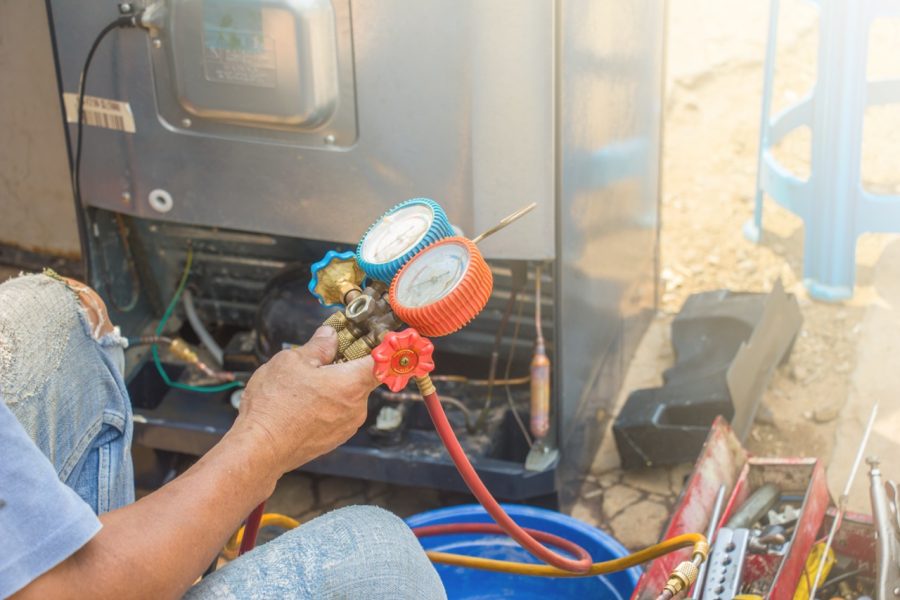
A frozen AC pipe is one of the most common cooling system issues homeowners face during summer. While it may seem confusing—after all, how can something freeze when it’s hot outside?—a frozen pipe is usually a sign that your air conditioner is struggling. If not handled properly, it can lead to expensive repairs or even system failure. Understanding the cause and knowing what to do can help protect your AC and keep your home comfortable.
Why AC Pipes Freeze
Your air conditioner works by cycling refrigerant through the evaporator coil. When airflow is restricted or refrigerant levels drop, the coil gets too cold. Moisture in the air then freezes on the pipe, creating frost or thick ice.
The most common causes include:
• Dirty air filters
• Low refrigerant levels
• Blocked return vents
• Dirty evaporator coil
• Poor airflow through the duct system
• Running the AC in very cool outdoor temperatures
Each of these issues prevents your system from maintaining a normal temperature balance.
Step 1: Turn Off Your AC Immediately
The first thing you should do when you notice a frozen AC pipe is shut the system off. Running the AC while frozen can cause the compressor to overwork, which is one of the most expensive repairs to face.
Switch the thermostat from “Cool” to “Off.”
If possible, turn the fan setting to “On” to help move warm air over the coil.
Step 2: Let the System Thaw Completely
It may take several hours for the ice to melt. Do not attempt to break the ice manually—this can damage the pipes and coil.
Place towels or a small container near the air handler to catch any dripping water.
Step 3: Check for Common Airflow Problems
Once everything is thawed, start with the simplest fixes:
Replace the Air Filter
A clogged air filter restricts airflow and is the number one cause of frozen AC pipes.
Open All Return and Supply Vents
Even closing a few vents can disrupt airflow enough to cause freezing.
Check for Obstructed Airflow
Furniture pushed against returns or blocked ducts reduce system efficiency.
Step 4: Restart the System Carefully
After thawing and checking airflow:
- Set the thermostat to “Fan” for 30 minutes
- Turn the AC back to “Cool” afterward and observe
- If frost returns, turn the system off and call a professional
Step 5: Signs You Need a Professional
Some issues require expert diagnosis, especially:
• Low refrigerant
• Refrigerant leaks
• Dirty evaporator coil
• Blower motor failure
• Duct airflow imbalance
Refrigerant work must legally be done by licensed professionals.
How to Prevent Freezing in the Future
• Replace air filters every 1 to 3 months
• Clean return vents regularly
• Schedule yearly AC maintenance
• Avoid running the AC when outdoor temps are below 65 degrees
• Keep vents open throughout the home
Final Thoughts
A frozen AC pipe is usually a symptom of restricted airflow or refrigerant problems. By shutting off the system, thawing it carefully, and checking basic airflow issues, you can often resolve the problem quickly. If the issue persists, a professional HVAC technician can diagnose the root cause and prevent long-term damage.