Why You Should Never Flush Cat Poop Down the Toilet
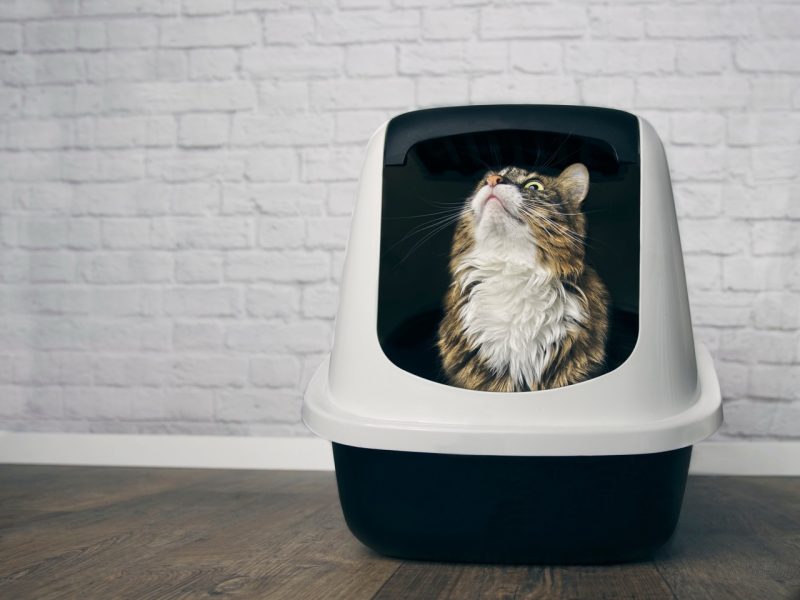
Flushing cat poop down the toilet may seem convenient, but it can cause serious plumbing issues and even harm the environment. Many homeowners don’t realize that cat waste behaves differently than human waste and is not meant to be processed through household plumbing systems or wastewater treatment facilities. Understanding the risks helps protect your home, your plumbing, and your community.
The Plumbing Risks of Flushing Cat Waste
1. Cat Litter Expands and Hardens
Even “flushable” litter can clump inside pipes. Litter is designed to absorb moisture. When flushed, it expands, sticks to pipe walls, and creates stubborn blockages. Over time, these clogs restrict drainage and may require expensive pipe clearing.
2. Cat Waste Contains Toxoplasma Gondii
This parasite can survive wastewater treatment and enter natural water sources. It poses risks to marine life and vulnerable humans. Municipal sewer systems are not designed to eliminate this pathogen effectively.
3. Septic Systems Are Not Designed for Litter
Homes with septic tanks face additional risks. Litter settles at the bottom, reducing tank capacity and disrupting the bacterial balance needed for breakdown. This leads to costly pumping and system failure.
Environmental Consequences
Wildlife—especially marine mammals—can become infected by pathogens found in cat waste. Researchers have linked flushed cat waste to contamination in rivers and coastal waters. Local water treatment facilities vary widely, but most cannot fully eliminate Toxoplasma.
Proper disposal protects ecosystems.
Alternatives to Flushing
Use the Trash
Scooping and sealing cat waste in a bag is the safest disposal method.
Biodegradable Bags
Eco-friendly bags offer a less wasteful option without harming plumbing.
Composting
Only compost solid waste if using specialized systems designed for pet waste. Never use cat waste compost in edible gardens.
Why “Flushable” Litter Isn’t Actually Flushable
Many litters labeled as flushable do not break down the way toilet-safe materials should. Testing shows that these litters clump, expand, and contribute to sewer clogs. The term “flushable” is often a marketing claim, not a plumbing-safe standard.
Final Thoughts
Flushing cat poop may seem harmless, but it can damage your pipes, harm septic systems, and contribute to environmental contamination. The safest approach is to dispose of cat waste in the trash and avoid flushing any litter or feces entirely. Protect your plumbing and the environment by making the right choice for disposal.