How to Remove Rust Stains from Your Toilet the Right Way
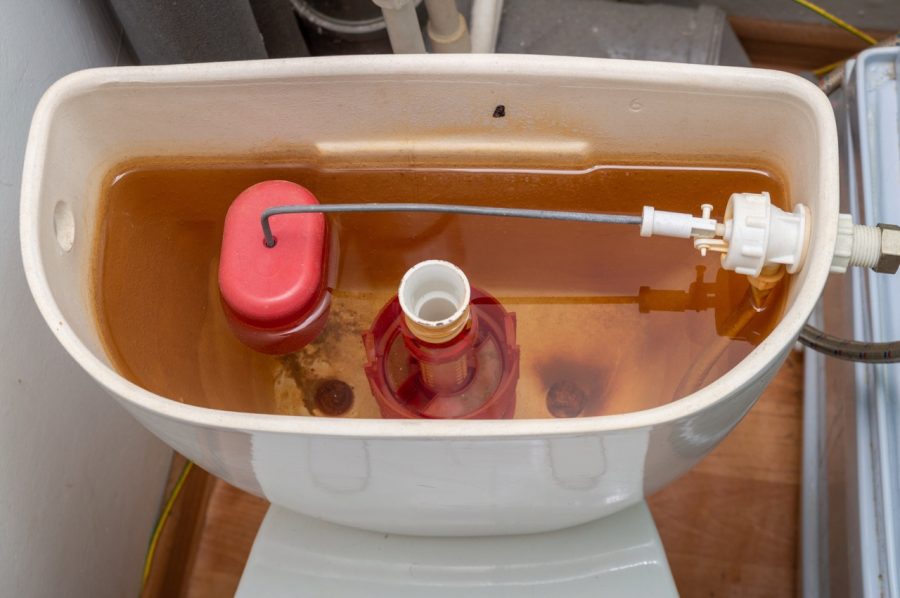
Rust stains on toilet bowls are a common frustration for homeowners, especially in areas with hard water or older plumbing systems. Although rust may look like a sign of neglect, the truth is that these stains often come from mineral-rich water or aging metal components inside your home’s plumbing. Luckily, removing rust from your toilet is much simpler than most people realize—as long as you use the right approach.
Why Rust Stains Form
Rust stains develop when iron in your water oxidizes. This is especially common in homes with hard water or well water systems, though municipal water can also contain natural minerals. When the minerals settle in your toilet bowl, they react with oxygen and produce orange or reddish discoloration. Even a perfectly clean toilet can develop rust stains quickly under the right conditions.
Understanding the source helps you not only remove stains but also reduce the likelihood of them returning.
Start with Safe, Non-Abrasive Cleaners
When dealing with porcelain, harsh abrasives can scratch the surface and make stains even harder to remove in the future. Instead, start with gentle, effective options like:
Baking Soda and Vinegar
This is one of the safest cleaning methods. Sprinkle baking soda inside the bowl, add white vinegar, and let the mixture bubble. After about 15 minutes, scrub with a toilet brush and flush.
Lemon Juice and Borax
Borax boosts cleaning power while lemon’s acidity helps break down rust. Mix into a paste, apply to stains, let sit for 20 minutes, and scrub.
Pumice Stone (Used Carefully)
Only use a wet pumice stone on wet porcelain. The moisture prevents scratching. Rub lightly on tough stains.
These methods work well for mild to moderate staining and are safe for regular cleaning.
When to Use Commercial Rust Removers
If stains are deep or have built up over time, a stronger product specifically designed for rust may be necessary. Look for formulas labeled as “safe for toilets” or “porcelain-friendly.” Avoid products containing bleach—bleach reacts with rust and can deepen discoloration.
Always follow instructions and ensure proper ventilation.
Avoid Harsh Chemicals or Abrasives
A few things you should never use:
• Steel wool
• Sandpaper
• Straight bleach
• Drain cleaners
• Abrasive powders without moisture
These can cause permanent surface damage that collects bacteria and encourages future staining.
Preventing Rust Stains Long-Term
Once stains are gone, prevention becomes the next priority:
Water Filtration
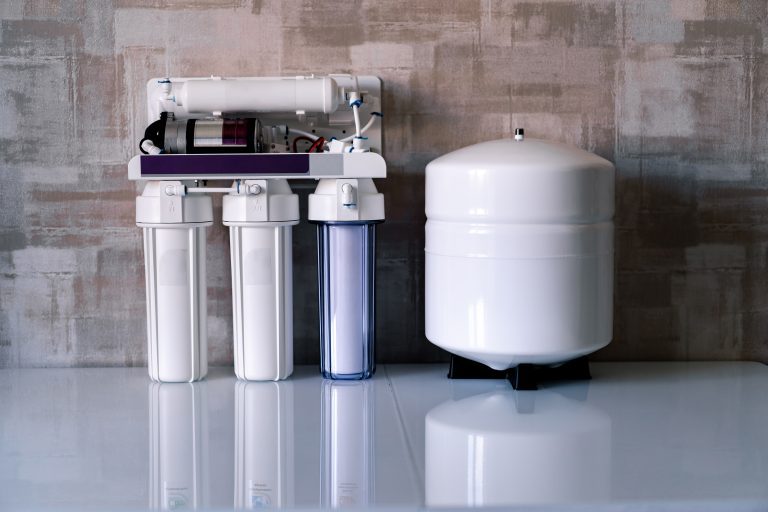
Installing a whole-home water softener or iron filter significantly reduces rust-causing minerals.
Replace Aging Components
Old metal pipes, corroded bolts, or rusting tanks can introduce iron into your toilet water.
Regular Cleaning
Light weekly maintenance prevents buildup before it becomes stubborn.
Final Thoughts
Rust stains in your toilet can be annoying, but they are not permanent. With safe cleaning methods and simple preventative steps, you can restore your toilet’s appearance and keep it clean and bright year-round. If stains continue to return despite your best efforts, it may be time to have a plumbing professional inspect your water quality or internal toilet components.