Should You Adjust Your Water Heater Temperature? A Homeowner’s Guide
Most homeowners rarely think about their water heater’s temperature setting. Once installed, the system tends to run quietly in the background, providing hot water on demand. However, temperature adjustments can have a meaningful impact on your energy bills, comfort, and safety. Understanding what temperature settings mean—and when to change them—helps you keep your home efficient and protected.
The Importance of Proper Temperature
Most manufacturers recommend setting your water heater to 120 degrees Fahrenheit. This temperature provides enough heat to prevent bacteria growth while remaining safe for households with children or elderly residents who may be more vulnerable to scalding.
Temperatures below 120 degrees can allow harmful bacteria, such as Legionella, to grow inside the tank. On the other hand, temperatures set too high increase the risk of burns and waste energy.
When You Should Adjust the Temperature
1. You’re Noticing Inconsistent Hot Water
If your showers suddenly become lukewarm or your dishwasher struggles to clean properly, your water may be too cool. Increasing the temperature slightly can restore performance.
2. Energy Efficiency Concerns
Lowering the temperature by even a few degrees can reduce your energy expenses. Water heating accounts for roughly 18 percent of a home’s total energy use. A modest reduction can make a noticeable difference over time.
3. Household Safety
Homes with young children benefit from keeping temperatures on the lower end of the safe range to prevent accidental scalding. Conversely, households with immune-compromised residents may need a slightly higher temperature to ensure water sanitation.
How to Safely Adjust the Temperature
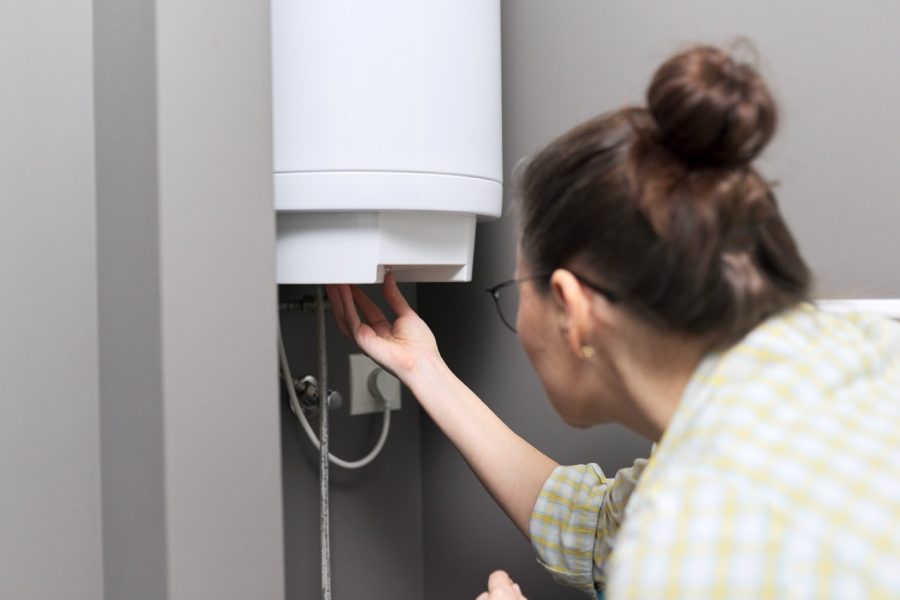
Always consult your water heater’s manual before making any changes. Electric heaters typically have two thermostats, while gas units use a dial near the base.
Steps to follow:
- Turn off power to electric heaters before opening panels.
- Adjust the thermostat in small increments.
- Allow several hours before testing the water temperature.
- Use a thermometer at a faucet for accuracy.
If you’re unsure, a licensed plumber can handle the adjustment safely.
Signs Your Water Heater Needs More Than a Temperature Change
If increasing the temperature doesn’t solve your hot water issues, you may be experiencing:
• Sediment buildup
• Failing heating elements
• A deteriorating dip tube
• Aging equipment approaching replacement age
Water heaters typically last 8 to 12 years. If yours is older, an inspection may be more beneficial than a temperature change.
Final Thoughts
Adjusting your water heater temperature can improve comfort, safety, and efficiency—but should be done thoughtfully. With the right setting and periodic maintenance, you can extend your heater’s lifespan and enjoy dependable hot water year-round. When in doubt, call a licensed plumber to evaluate your system and recommend the best temperature for your household.