Why Does My Refrigerator Leak Water?
Why Does My Refrigerator Leak Water?
Finding water pooling under or inside your refrigerator can be frustrating and confusing. While refrigerators are appliances, many leaks are actually plumbing related and should not be ignored. Understanding why your refrigerator is leaking water can help you address the issue quickly and prevent damage to your floors, cabinets, and surrounding areas.
Common Signs of a Refrigerator Water Leak
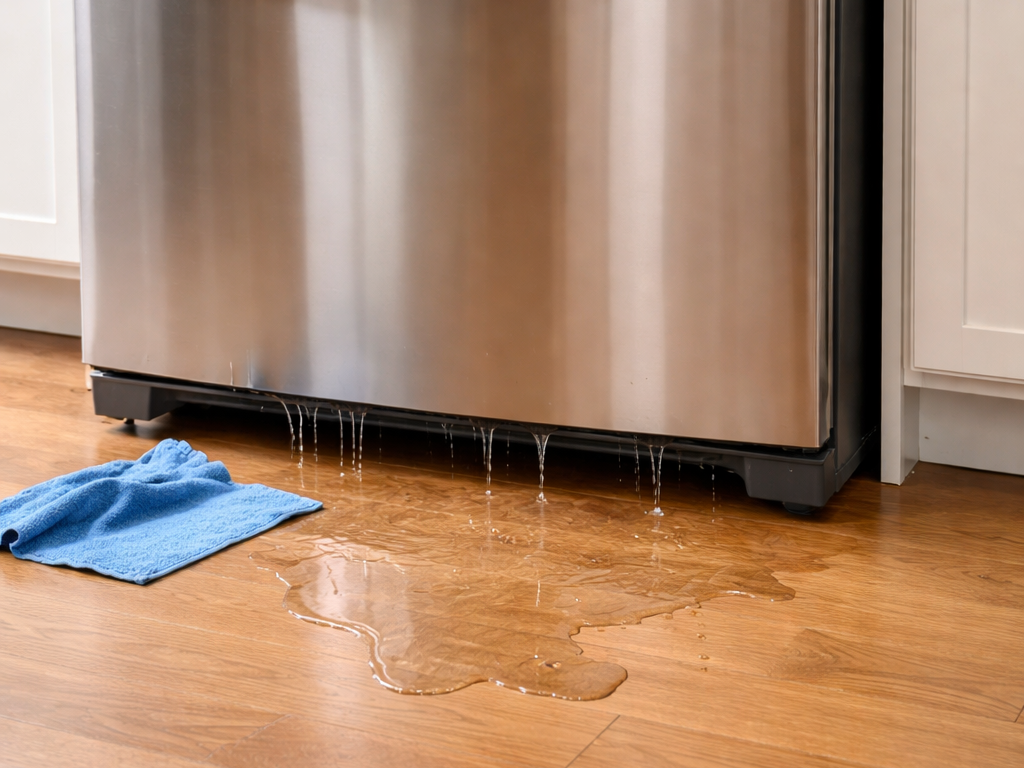
Refrigerator leaks often show up in a few predictable ways. You may notice water collecting on the floor beneath the appliance, moisture inside the refrigerator compartments, or ice buildup in the freezer followed by dripping water.
These symptoms usually point to a problem with drainage, condensation, or the water supply line.
Clogged Defrost Drain
One of the most common causes of refrigerator leaks is a clogged defrost drain. During normal operation, condensation forms inside the freezer and drains through a small tube. Over time, food debris, ice, or mineral buildup can block this drain.
When the drain is clogged, water has nowhere to go and can leak onto refrigerator shelves or the floor. Clearing the drain often resolves the issue, but recurring clogs may indicate a larger drainage problem.
Frozen or Damaged Defrost Drain Line
In colder environments, defrost drain lines can freeze. When ice blocks the drain, water backs up and eventually leaks out. This is especially common when freezer temperatures fluctuate or door seals are worn.
A plumber or appliance professional can safely thaw and inspect the drain line to prevent repeat freezing.
Leaking Water Supply Line
Refrigerators with ice makers or water dispensers rely on a water supply line. If this line becomes loose, cracked, or damaged, water can slowly leak behind or beneath the appliance.
Water supply line leaks often go unnoticed for long periods, allowing moisture to seep into flooring or cabinetry. Replacing or tightening the line promptly helps prevent costly water damage.
Faulty Drain Pan
Refrigerators collect condensation in a drain pan located underneath the unit. This water normally evaporates over time. If the drain pan is cracked, misaligned, or overflowing, water may leak onto the floor.
Inspecting the drain pan for visible damage can help identify whether it is contributing to the leak.
Poor Door Seal or Excess Condensation
If refrigerator door seals are worn or damaged, warm air can enter the appliance. This causes excess condensation, which may overwhelm the drainage system and lead to water leakage.
Replacing faulty door gaskets improves efficiency and reduces moisture buildup.
When a Plumbing Issue Is the Real Cause
In some cases, refrigerator leaks are tied to broader plumbing problems. High water pressure, aging pipes, or improper installation of water lines can all contribute to leaks.
If water continues to appear after basic appliance checks, a licensed plumber can inspect supply lines and connections to ensure everything is secure and functioning correctly.
Why You Should Address Refrigerator Leaks Early
Even small refrigerator leaks can cause long-term damage. Moisture trapped beneath flooring or behind cabinets encourages mold growth, weakens materials, and increases repair costs.
Early diagnosis and repair help protect your home and extend the life of your appliance.
Professional Help Makes the Difference
While some refrigerator leaks have simple solutions, others require professional evaluation. A plumber can determine whether the issue is appliance related or connected to your home’s plumbing system and recommend the appropriate fix.
Addressing the problem early ensures safe operation and prevents hidden damage from spreading.