
What Is a Leach Field and Why Does It Matter?
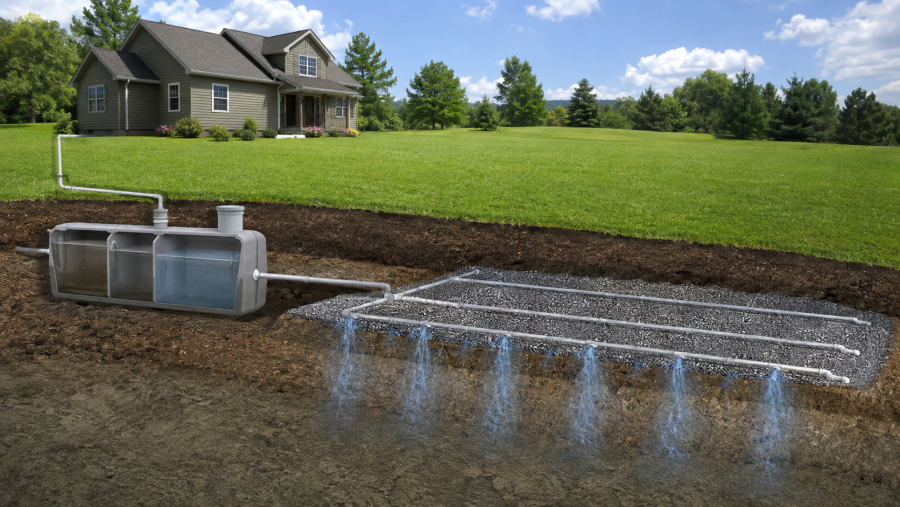
A leach field, also called a drain field, is an important part of a septic system. After wastewater leaves the home and enters the septic tank, solids settle in the tank while liquid wastewater moves out to the leach field. There, the water is filtered through soil before returning safely to the environment.
When a leach field is working properly, most homeowners do not think about it. When it fails, the signs can be messy, unpleasant, and expensive.
How a Leach Field Works
The septic tank separates solids from liquid wastewater. The liquid then flows into perforated pipes buried in the leach field. These pipes distribute wastewater into the soil, where natural filtration takes place.
The soil plays a major role. If the soil becomes oversaturated, compacted, or clogged, wastewater may not drain properly.
Signs of Leach Field Problems
Common warning signs include soggy areas in the yard, sewage odors, slow drains, toilets that struggle to flush, backups inside the home, or unusually green grass above the leach field.
These signs should not be ignored. They may indicate that wastewater is not moving through the system correctly.
What Causes Leach Field Failure?
Leach field problems may result from poor maintenance, too much water use, compacted soil, tree root intrusion, heavy objects driven over the field, or a septic tank that has not been pumped regularly.
Flushing the wrong materials or sending grease and chemicals down drains can also contribute to system issues.
Call Putman & Son’s Plumbing
If you are noticing sewer odors, slow drains, or backups, Putman & Son’s Plumbing can help evaluate your plumbing concerns and recommend the right next step.