How to Protect Commercial Backflow Preventers From Freezing Weather
Commercial backflow prevention assemblies are critical components in many Michigan properties. They help protect the potable water supply by preventing unwanted reverse flow. When an assembly is installed outdoors or in a cold area, freezing weather can create another concern: trapped water inside valves and fittings can freeze, expand, and damage the device.
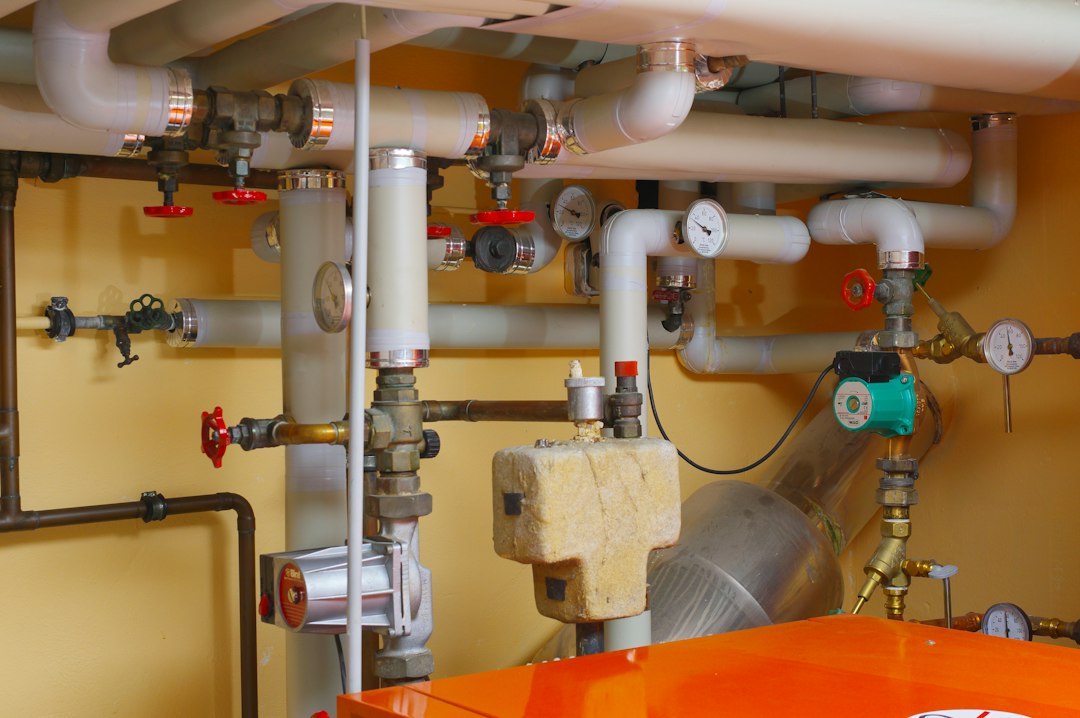
Planning for backflow preventer freeze protection in Michigan before temperatures drop can help property managers avoid emergency repairs, water interruptions, and compliance headaches.
Know Which Assemblies Are Exposed to Cold
Begin by identifying every backflow assembly on the property and noting where each one is installed. Outdoor irrigation assemblies, equipment near loading areas, unheated utility spaces, and exposed mechanical locations may be more vulnerable than devices located inside conditioned rooms.
Do not assume an assembly is protected simply because it is close to the building. Wind and prolonged cold can lower temperatures quickly around exposed piping.
Inspect the Assembly Before the First Freeze
Look for visible leaks, damaged insulation, corrosion, loose fittings, and signs of previous freeze damage. A small leak that seems manageable in mild weather can create ice and increase stress on the assembly once temperatures fall.
If a device has a history of freezing, repeated repairs may indicate that the installation needs a better cold-weather protection strategy.
Use Proper Insulation and Weather Protection
Insulation can help slow heat loss, but it must be appropriate for the device and installed without interfering with testing, drainage, relief openings, or service access. Some backflow assemblies require enclosures designed specifically for freeze protection.
Do not wrap a device in a way that blocks required openings or makes the assembly inaccessible. A licensed professional can help determine the right approach for the installation.
Winterize Seasonal Systems Correctly
Irrigation and other seasonal systems may need to be shut down and drained before freezing weather. The correct procedure depends on the system design and the type of backflow assembly.
Improper winterization can leave water trapped in valves or piping. If you are unsure how the system should be prepared, schedule professional service rather than guessing.
Keep Testing and Compliance on Schedule
Cold-weather preparation does not replace required backflow testing. Putman & Son’s Plumbing provides certified backflow prevention and testing for commercial and industrial assemblies throughout Metro Detroit and surrounding communities.
Testing helps determine whether the assembly is operating correctly. If a device fails, cleaning, repair, or component replacement may be needed before it can pass.
What to Do After a Freeze
If you suspect a backflow preventer has frozen, do not force valves or attempt to thaw the device with an open flame. Watch for cracks, active leaks, loss of water pressure, or water discharging from the assembly.
A freeze-damaged device should be inspected before being returned to normal service. Internal components can be affected even when exterior damage is not obvious.
Protect Business Operations Before Winter Arrives
A damaged backflow assembly can interrupt water service at a commercial property and may create repair, testing, or reporting requirements. Taking action in October gives facility managers time to identify vulnerable devices before sustained freezing weather arrives.
Putman & Son’s Plumbing has served Michigan businesses since 1985 and offers commercial plumbing services, backflow testing, repair, and installation.
Call (248) 652-0990 to schedule backflow service or cold-weather plumbing maintenance for your Metro Detroit property.