Are Flushable Wipes Actually Safe for Your Plumbing?
Why “Flushable” Is Misleading
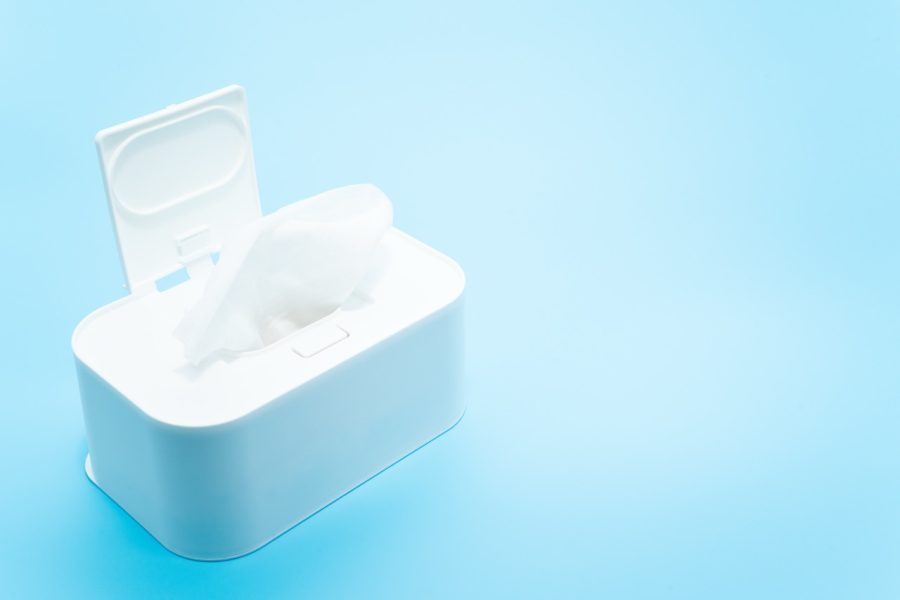
Flushable wipes are labeled based on marketing standards, not plumbing performance. Unlike toilet paper, wipes are made from stronger fibers designed not to break apart easily. This durability is exactly what causes plumbing problems.
How Wipes Damage Home Plumbing
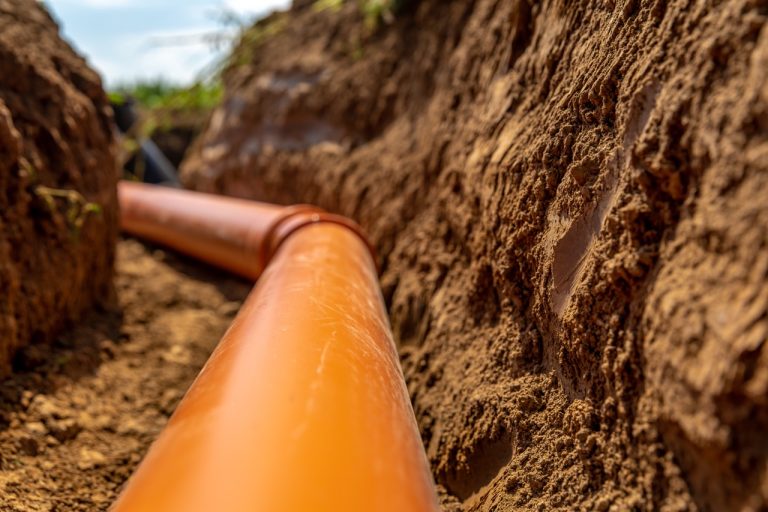
Once flushed, wipes travel through pipes without dissolving. They often catch on rough pipe interiors, joints, or roots, collecting grease, hair, and debris. Over time, this mass grows into a full blockage.
Septic System Damage
For homes with septic systems, wipes are especially harmful. They accumulate in tanks, reduce capacity, clog pumps, and require more frequent pumping. Repairs to septic systems can be expensive and disruptive.
Warning Signs of Wipe-Related Problems
• Toilets flushing slowly
• Gurgling sounds
• Repeated clogs
• Sewer odors
• Basement drain backups
These symptoms often worsen gradually before becoming emergencies.
Safer Alternatives
• Use toilet paper only
• Dispose of wipes in the trash
• Consider bidet attachments
• Use septic-safe paper products
Municipal Impact
Flushable wipes also strain public sewer systems, contributing to large-scale blockages that require costly maintenance. Avoiding wipes helps protect both your home and community infrastructure.
Final Recommendation
No wipe is truly safe to flush. Keeping them out of your plumbing system is one of the easiest ways to prevent clogs, backups, and expensive repairs.