How Often Should a Septic Tank Be Pumped?
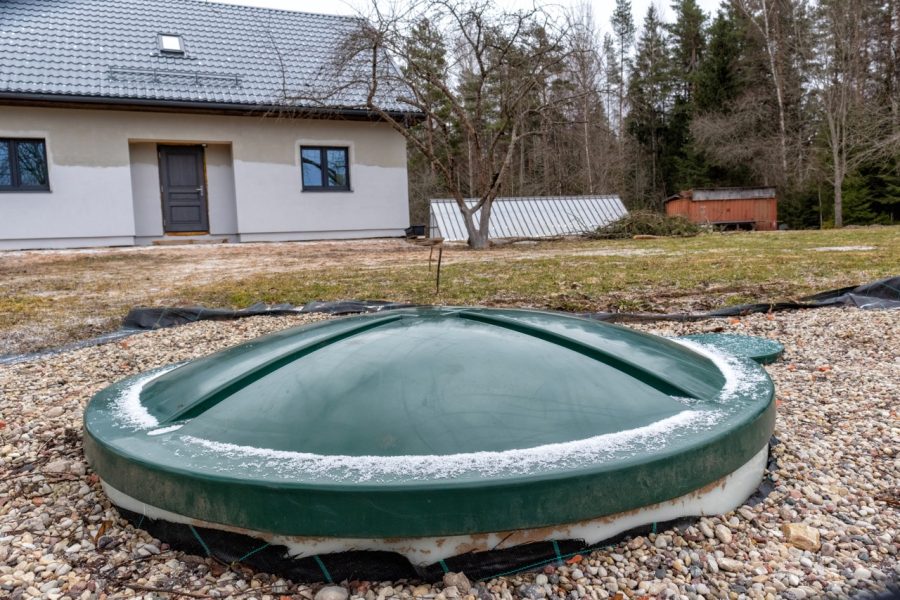
Homes with septic systems rely on proper maintenance to prevent backups, foul odors, and costly system failures. The most important part of septic care is routine pumping—but many homeowners aren’t sure how often it should be done. Pumping keeps your system functioning efficiently and prevents long-term damage.
General Rule for Septic Pumping
Most septic tanks should be pumped every 3 to 5 years, depending on:
• Household size
• Tank capacity
• Water usage habits
• Presence of garbage disposals
Larger families or heavy water users may need more frequent pumping.
Signs Your Septic Tank Needs Pumping
1. Slow Drains
Sluggish sinks, bathtubs, and toilets indicate that the tank may be full.
2. Gurgling Sounds
Air escaping due to blockages can cause bubbling noises in drains.
3. Strong Odors
Sewage smells near drains or outdoors often signal an overloaded tank.
4. Sewage Backup
Wastewater in bathtubs or floor drains is a clear sign of system failure.
5. Pooling Water in the Yard
Wet, soggy patches near the drain field indicate that the system is saturated.
Why Pumping Is So Important
Pumping removes solid waste that builds up over time. Without it, solids clog the drain field, causing:
• System failure
• Flooded yards
• Costly repairs
• Contamination risks
Replacing a damaged drain field can cost thousands of dollars.
Tips for Extending Septic System Life
• Avoid flushing wipes or hygiene products
• Limit grease disposal
• Use water efficiently
• Fix leaks promptly
• Schedule routine inspections
Final Thoughts
Regular pumping is essential for a healthy septic system. Sticking to a 3–5 year schedule—along with good waste habits—keeps your system running smoothly and prevents expensive failures. A professional plumber or septic specialist can evaluate your usage and recommend the ideal pumping frequency for your home.