How to Detect a Hidden Water Leak Inside a Wall
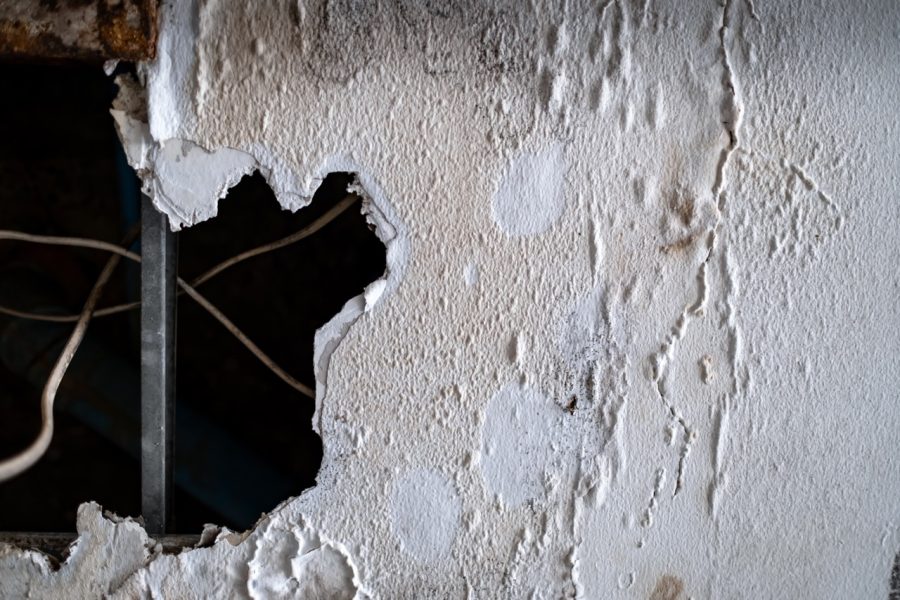
A hidden water leak inside a wall can quietly damage your home long before you notice visible signs. By the time stains or odors appear, moisture may have already weakened drywall, flooring, and framing. Early detection is the key to preventing mold growth and thousands of dollars in repairs.
Here’s how to identify leaks behind walls—and what to do when you find them.
Common Causes of Hidden Wall Leaks
• Aging or corroded pipes
• Loose pipe fittings
• Leaking shower valves
• Faulty appliances or plumbing fixtures
• Roof or siding leaks that travel downward
Locating the source quickly helps limit damage.
Signs You May Have a Leak Behind the Wall
1. Water Stains or Discoloration
Brown, yellow, or bubbling spots on drywall are clear indicators of moisture buildup.
2. Musty Odors
Persistent damp or mildew smells often mean mold is growing inside the wall cavity.
3. Peeling Paint or Warped Walls
Moisture causes paint to bubble and drywall to swell or crumble.
4. Flooring Damage
Water can travel down walls, causing laminate, hardwood, or carpet to warp.
5. Sudden Increase in Water Bills
Unexplained usage often means water is leaking somewhere unseen.
6. Mold Growth
Mold around baseboards, outlets, or window frames is a red flag.
How to Confirm the Leak Location
Use a Moisture Meter
These handheld devices detect elevated moisture levels behind walls.
Listen Carefully
Dripping or faint running water sounds can help pinpoint the leak.
Check Adjacent Rooms
A leak in one area often affects both sides of the wall.
Turn Off Water Fixtures One by One
If the sound or moisture stops, you’ve narrowed down the source.
When You Should Call a Professional
If you suspect a hidden leak, a plumber can:
• Use thermal imaging cameras
• Pressure-test water lines
• Pinpoint the source without unnecessary damage
• Repair the leak and restore water flow safely
Because leaks often affect structural components, fast action is essential.
Preventing Future Wall Leaks
• Schedule yearly plumbing inspections
• Replace aging or corroded pipes
• Monitor water pressure
• Seal exterior walls and windows
• Maintain appliances and fixtures
Final Thoughts
Hidden wall leaks are serious, but early detection makes all the difference. Recognizing warning signs and calling a professional quickly can prevent extensive damage and protect your home.