Hybrid Heat Pump Water Heaters: Energy-Efficient Hot Water for Modern Homes
What Is a Hybrid Heat Pump Water Heater?
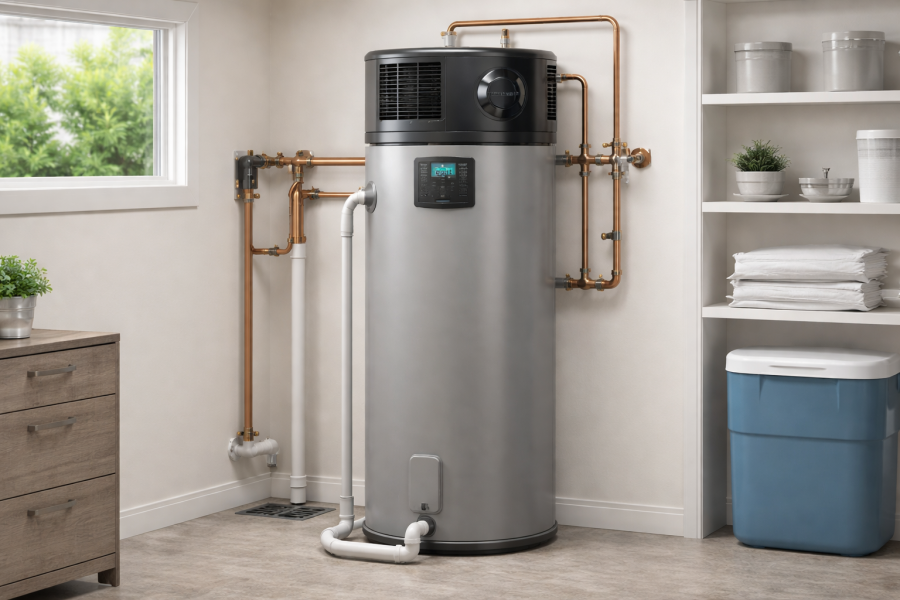
Hybrid heat pump water heaters are quickly becoming one of the most popular plumbing upgrades for homeowners looking to reduce energy costs. Unlike traditional electric water heaters that generate heat directly, hybrid models use heat pump technology to pull warmth from the surrounding air and transfer it to the water tank.
This process uses significantly less electricity, making hybrid systems far more energy-efficient than standard electric units. Many models also include a traditional heating element as backup, allowing them to operate efficiently in different climates and high-demand situations.
How Hybrid Water Heaters Work
A heat pump water heater works similarly to a refrigerator, but in reverse. Instead of removing heat from inside a unit and releasing it outside, the system extracts heat from the air in your home, typically from a garage or utility room, and transfers it into the water stored in the tank.
Because the system moves heat rather than creating it, it uses far less electricity. In fact, hybrid models can be two to three times more efficient than conventional electric water heaters.
Most units offer multiple operating modes, including:
- Heat pump only mode for maximum efficiency
- Hybrid mode for balanced performance
- Electric resistance mode for high demand
- Vacation mode to conserve energy
This flexibility allows homeowners to customize performance based on household needs.
Energy Savings and Cost Benefits
One of the biggest reasons hybrid heat pump water heaters are trending is the potential for long-term savings. While the upfront cost is typically higher than a standard electric unit, energy savings can significantly offset that investment over time.
Homeowners can often reduce water heating energy consumption by up to 60 percent. Since water heating accounts for a large portion of home energy use, this can lead to meaningful monthly savings.
Additionally, many utility companies and federal programs offer rebates or tax credits for installing energy-efficient water heaters. These incentives can make hybrid systems even more financially attractive.
Installation Considerations
Hybrid heat pump water heaters do require specific installation conditions. Because they pull heat from the surrounding air, they need adequate airflow and space to operate efficiently. Garages, basements, and utility rooms are common installation locations.
They also produce a small amount of condensation and require a drain line. Some homeowners may notice a slight cooling effect in the installation area, which can be beneficial in warmer climates.
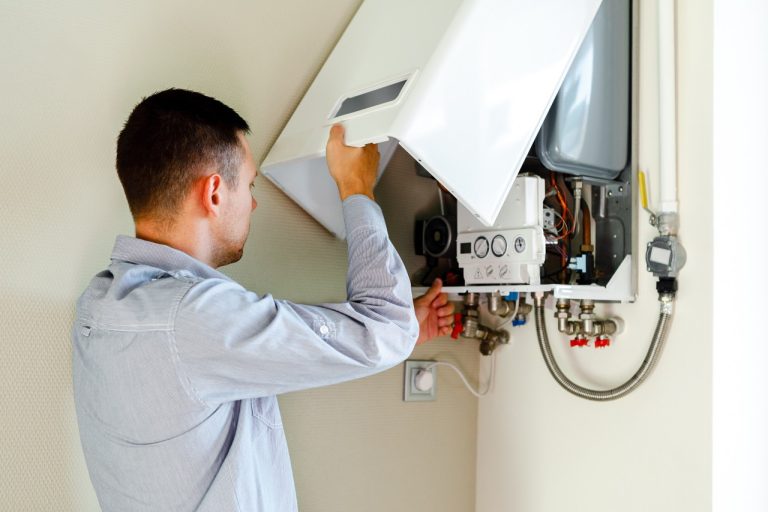
Working with a licensed plumber ensures proper sizing, ventilation, and drainage setup.
Hybrid vs Traditional Electric Water Heaters
When comparing hybrid models to traditional electric water heaters, the main differences include:
- Higher energy efficiency
- Lower long-term operating costs
- Larger initial investment
- More advanced technology
For households planning to stay in their home long term, hybrid systems often make strong financial sense.
Hybrid vs Tankless Water Heaters
Hybrid heat pump water heaters are sometimes compared to tankless systems. While tankless units provide hot water on demand and save space, hybrid systems maintain a storage tank but use far less electricity than traditional tank heaters.
Each system has advantages depending on household size, hot water demand, and installation conditions. A professional evaluation helps determine the best fit.
Are Hybrid Heat Pump Water Heaters Worth It?
For many homeowners, the answer is yes. Rising energy costs and increased focus on sustainability make hybrid heat pump water heaters a practical and forward-thinking upgrade.
They combine proven tank-style reliability with modern energy efficiency. With potential rebates, lower monthly utility bills, and environmentally friendly operation, hybrid systems are becoming a smart choice for both new installations and replacements.
Final Thoughts
Hybrid heat pump water heaters represent the next step in energy-efficient plumbing. If you are considering replacing your current water heater, exploring a hybrid option may reduce long-term costs while improving performance.
Consulting with a professional plumber ensures the system is properly sized and installed to maximize efficiency and lifespan.