How to Prevent Frozen Pipes Before Michigan’s First Hard Freeze
Michigan temperatures can drop quickly in October and November, and the first hard freeze can expose plumbing that was never prepared for cold weather. A frozen pipe is more than an inconvenience. As water freezes, it expands and can create enough pressure to split a pipe or damage a fitting. The leak may not become obvious until the pipe thaws, which is when water can begin spreading through walls, ceilings, basements, or crawl spaces.
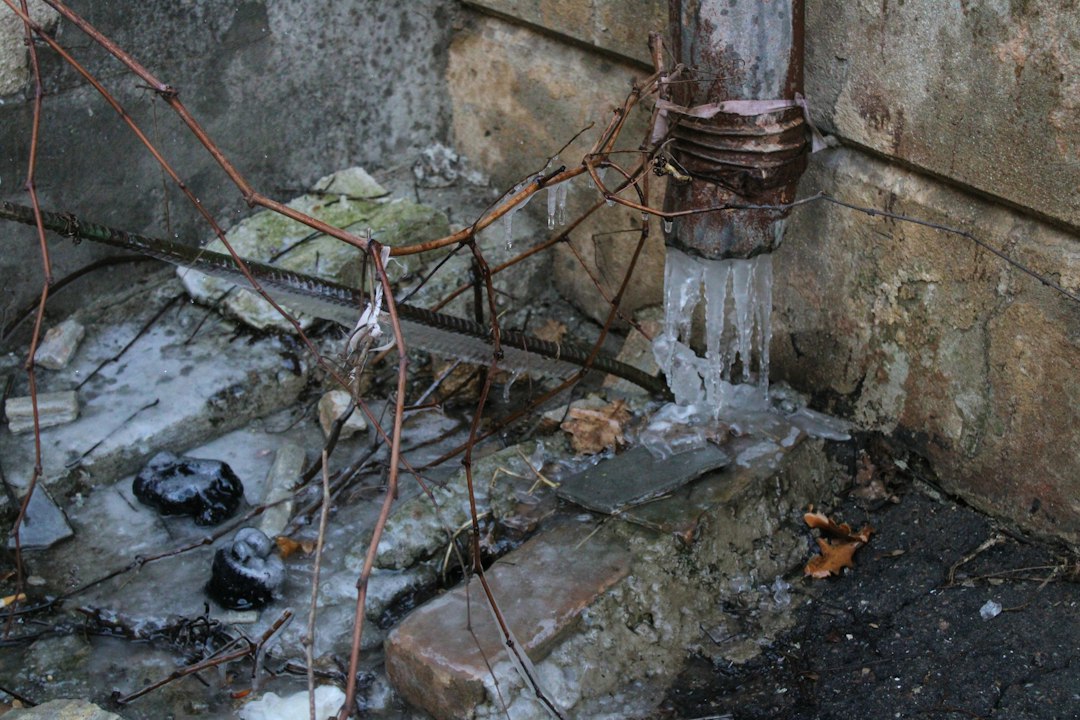
Homeowners who want to prevent frozen pipes in Michigan should focus on the areas where plumbing is most exposed to cold air. A little preparation before the first freeze can help reduce the risk of an emergency later.
Disconnect Garden Hoses
One of the simplest fall plumbing tasks is also one of the most important. Disconnect every garden hose from the exterior faucet. A connected hose can trap water inside the faucet and pipe, increasing the chance of freezing.
If your home has an interior shutoff valve for the outdoor faucet, close it and then open the exterior spigot to drain the remaining water. If the faucet leaks, will not shut off, or appears damaged, schedule repair before freezing temperatures arrive.
Insulate Pipes in Vulnerable Areas
Pipes in heated living spaces usually have more protection than pipes running through garages, crawl spaces, unfinished basements, utility rooms, and exterior walls. Inspect exposed supply lines in these areas and add appropriate pipe insulation where needed.
Pay special attention to plumbing near foundation vents, garage doors, unheated additions, and other locations where cold air can reach the pipe.
Seal Drafts Near Plumbing
Even insulated pipes can be vulnerable when cold air blows directly onto them. Check around utility penetrations, basement windows, sill plates, exterior doors, and openings where pipes enter the building.
Sealing unnecessary drafts can help keep these areas warmer while also improving comfort and energy efficiency.
Know Where Your Main Water Shutoff Is
If a pipe bursts, shutting off the water quickly can limit damage. Find your home’s main water shutoff before you need it. Make sure household members know where it is and confirm that the valve can still be operated.
If the valve is stuck, corroded, or difficult to turn, have it inspected rather than forcing it during an emergency.
Keep Indoor Temperatures Consistent
Do not turn the heat off completely when leaving home during cold weather. Areas with plumbing need enough heat to stay safely above freezing. Open cabinet doors below sinks located on exterior walls when extreme cold is expected so warm room air can reach the pipes.
During unusually cold conditions, a plumber may recommend additional precautions for particularly vulnerable piping. Every home is different, especially older houses with additions or plumbing routed through unheated spaces.
Watch for Signs a Pipe May Already Be Freezing
A sudden drop in water flow can be an early warning. If a faucet normally runs strongly but only produces a trickle during freezing weather, a supply line may be restricted by ice.
Do not use an open flame, torch, or other unsafe method to thaw a pipe. If you cannot safely locate the frozen section or are concerned that the pipe may already be damaged, call a professional plumber.
Fall Preparation Is Easier Than a Winter Emergency
Putman & Son’s Plumbing provides residential plumbing services throughout Metro Detroit and offers 24-hour emergency plumbing service when urgent problems occur.
Before Michigan’s first hard freeze, take time to disconnect hoses, protect exposed pipes, check shutoff valves, and repair vulnerable plumbing. If you need help preparing your home for cold weather, call (248) 652-0990 or request service online.