Water Hammer Explained: Why Pipes Bang and How to Stop It
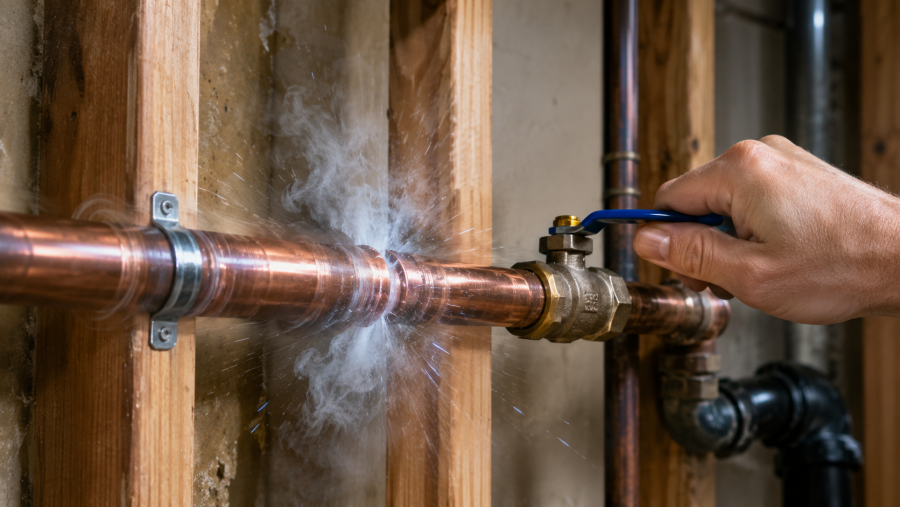
If you hear a loud banging, knocking, or thudding sound when a faucet shuts off, you may be dealing with water hammer. Water hammer happens when moving water suddenly stops or changes direction inside your pipes. The force can create a shockwave that causes pipes to move, shake, or bang against surrounding materials.
While it may seem like just an annoying noise, water hammer can place stress on pipes, fittings, valves, and fixtures over time.
What Causes Water Hammer?
Water hammer often occurs when a valve closes quickly. This may happen with washing machines, dishwashers, toilets, or faucets. When water is flowing and suddenly stops, the pressure has to go somewhere. If the plumbing system is not properly cushioned or secured, that pressure can create noise and movement.
High water pressure can also make water hammer worse. Loose pipes, worn air chambers, or missing water hammer arrestors may contribute to the issue.
Why You Should Not Ignore It
A single bang may not seem serious, but repeated water hammer can weaken plumbing connections over time. It may contribute to leaks, damaged valves, and premature wear on appliances connected to the water system.
If the noise is getting louder, happening more often, or occurring throughout the home, it is worth having the system checked.
How Plumbers Help Prevent Water Hammer
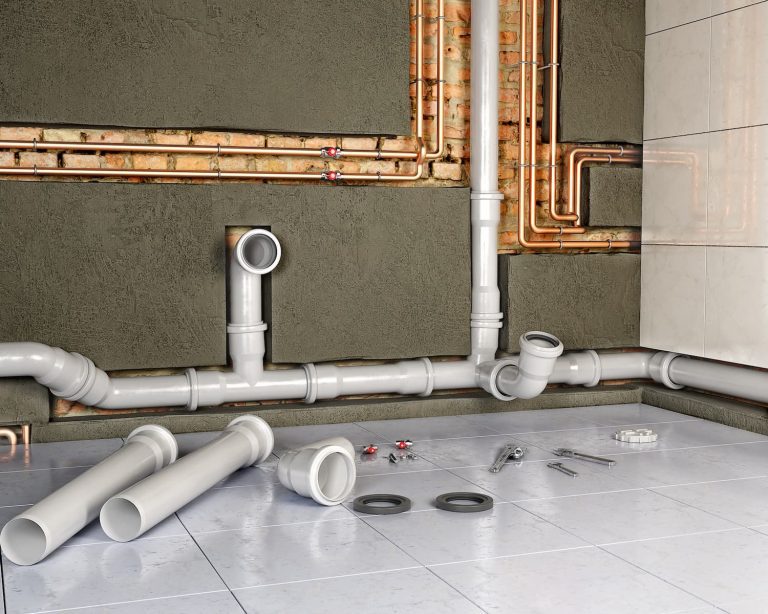
A plumber may inspect your water pressure, check for loose pipes, and determine whether your system needs water hammer arrestors. These devices help absorb shock and reduce banging when water flow stops suddenly.
In some cases, securing loose pipes or adjusting water pressure can make a noticeable difference.
Call Putman & Son’s Plumbing
If your pipes are banging or your water pressure seems too high, Putman & Son’s Plumbing can help find the cause and recommend a reliable fix.