Cast Iron Drain Pipe Repair in Royal Oak: When Snaking Isn’t Enough
A drain snake can reopen a blocked cast iron line. If the pipe has cracked, rusted through, or shifted at a joint, clearing the obstruction may restore flow temporarily while the defect remains. For Royal Oak homeowners with older plumbing, the next question is whether the problem is inside an otherwise sound pipe or whether the pipe itself needs repair.
What a drain snake can tell you
A cable can work through a localized obstruction and restore enough space for water to drain. The result tells you something about how the line was blocked, but it does not establish the condition of the wall around the opening. Drainage may seem normal while a cracked fitting still leaks during larger discharges, such as when a tub empties or a washing machine drains.
Tell the plumber how long the improvement lasted and what caused symptoms to return. An immediate repeat after several fixtures run together can be more informative than a description of a single slow sink. Mention any recent work, access points the last plumber used, and whether you have photos or video from a previous visit.
Look for a pattern beyond the clog
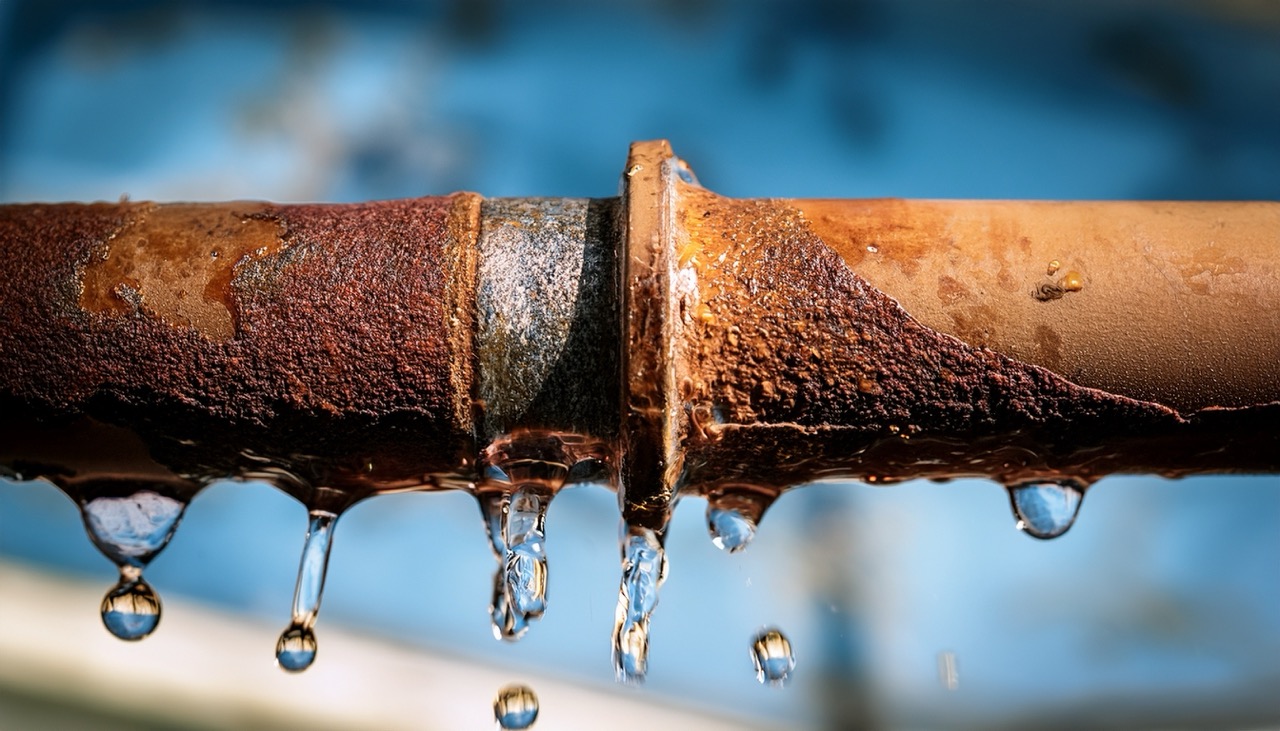
Rust flakes near exposed piping, a stain beneath a fitting, or a musty smell that grows stronger after using a fixture can help narrow the search. Surface rust by itself does not establish that a pipe is failing. A joint that becomes visibly wet during use deserves a closer look, especially if there is a finished ceiling or stored property underneath it.
One fixture with a slow drain can have a problem close to that fixture. Symptoms that show up at several fixtures may point to a shared branch or the main line. Note which fixtures are affected before calling, and avoid intentionally running more water to reproduce a backup.
How a plumber decides where to inspect
Accessible cast iron can often be checked from the outside while the plumber traces which fixtures drain into it. When an accessible section looks dry, the diagnosis may move to the next joint or a concealed branch. A camera can help in suitable lines after flow is restored, but standing water or heavy deposits can hide parts of the pipe from view.
Ask where a camera finding sits in relation to your house. Footage of a rough interior is more useful when you know whether it shows an exposed basement run, a section under a slab, or the line outside. Access affects the repair options and how much surrounding material may need to be disturbed.
When a spot repair makes sense
Replacing a short run can be practical when damage is concentrated at one accessible joint or section and the remaining pipe is sound enough to connect to. The plumber should explain where the replacement will start and end, how it connects to the existing line, and whether other visible sections show similar wear. Keep that explanation with your home records for future work.
Broader replacement may be worth discussing when several sections leak or when deteriorated pipe runs through an area you are about to finish. Ask what can be staged and what should be addressed together. A plan based on observed conditions gives you a clearer picture than deciding by pipe age alone.
What to share when you request service
Have the location, symptoms, and recent history ready. A photo of an exposed fitting and a note about which fixture was running can help a plumber prepare for the visit. If you have recurring backups, ask whether the first appointment will cover restoring flow, inspecting the line, or both. A written scope lets you compare options based on the repair they actually address.
If wastewater is actively backing up, stop using affected fixtures and call promptly. Once the immediate problem is under control, ask whether the clearing revealed a reason to evaluate the condition of the pipe itself.
Putman & Son’s Plumbing serves Royal Oak. Learn more about our sewer cleaning and repair or call (248) 652-0990 to discuss what you’re seeing.