Main Water Shutoff Valve Problems in Rochester, MI: What to Check Before Winter
A main water shutoff lets you isolate the household plumbing when a supply line breaks or a fixture starts leaking. Before winter, Rochester homeowners should know where the valve is, whether they can reach it quickly, and whether it shows signs of trouble. If it is visibly leaking, badly corroded, or difficult to move, arrange an inspection rather than forcing it.
Find the valve that controls your home
Start where the water service enters the building. In many homes, that means looking near the water meter in the basement or a utility room. A remodel can leave the valve behind an access panel or beside shelving that has gradually filled up. Ask a plumber to identify the household valve if you see several controls or have a private well or a shared supply.
The shutoffs under a sink or behind a toilet serve individual fixtures. Knowing where those are can help you describe a problem, but the main valve is the one you need to locate when a leak cannot be isolated at the fixture. Leave utility-owned meter hardware and street shutoffs to the responsible utility or a qualified professional coordinating with it.
What a visual check can reveal
Look around the valve and its nearby connections from a dry, accessible spot. A persistent bead of water near the stem, moisture at a joint, or staining below a fitting is worth noting. If the whole pipe looks damp on a humid day, condensation may look similar to a slow leak. A photo and a description of when the moisture appears give the plumber useful clues.
Check access as well. A valve behind stacked bins or a heavy appliance can be difficult to reach when water is spreading. Make the path clear and tell everyone responsible for the house where the control is. If the valve is behind a finished surface without an obvious access opening, include that detail when booking service.
Why an old valve may move and still fail
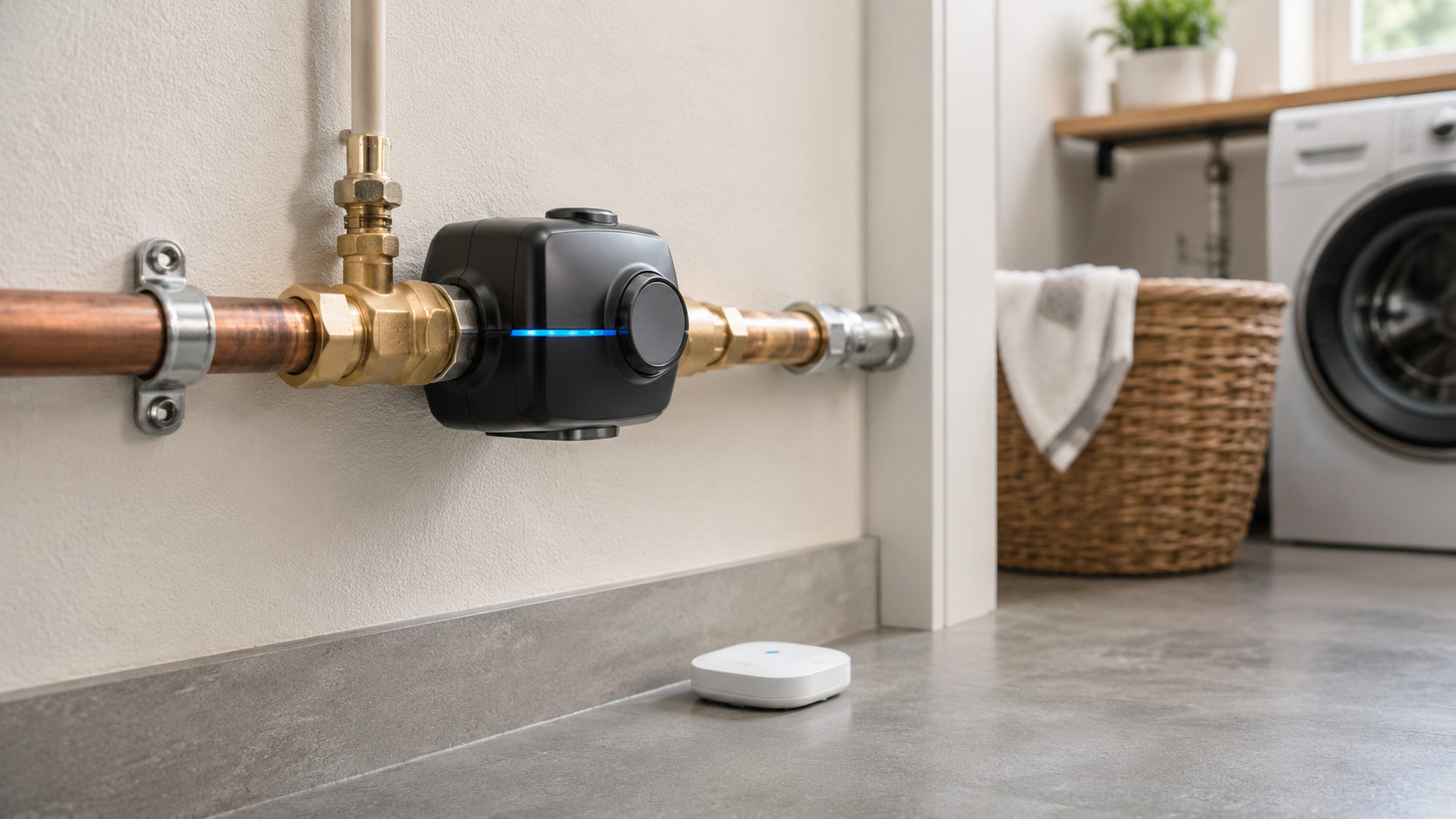
An older valve can appear to close while continuing to let water through. Wear inside the body, a damaged stem, or a past repair that left the control difficult to operate can affect its performance. A handle that moves freely does not establish that the valve seals. Conversely, a stiff handle does not tell you which internal part has failed.
A plumber can evaluate the valve and nearby pipe together. Replacing a valve attached to sound, accessible pipe can be a different job from working beside a corroded fitting or a meter that the utility needs to isolate. Ask whether the home will be without water during the visit and who needs to coordinate any upstream shutoff. That is particularly helpful when planning the work around guests or travel.
Make a simple emergency note
Write down the valve location, the service number, and any access instructions a house sitter or family member would need. Keep the note where it will be easy to find. If you have an automatic shutoff system, include where the manual control is and who can help if an alert appears while you are away.
If you discover an active leak, describe what is wet, whether water is still flowing, and whether the valve can be reached safely. Stay clear of standing water around electrical equipment. Share the same details with the plumber even if the flow has stopped, since they help distinguish a valve problem from a leak farther into the house.
When to schedule the inspection
Book before travel or the first stretch of freezing weather if the valve already shows moisture, damage, or limited access. Ask the plumber to show you which control serves your home and identify it clearly once the work is complete. The result should be a valve you can locate and a simple plan your household can follow.
Putman & Son’s Plumbing serves Rochester. Learn more about our residential plumbing services or call (248) 652-0990 to discuss what you’re seeing.