
Sump Pump Repair in Auburn Hills: Three Problems to Check Before Winter
A sump pump that makes noise without lowering the water level, cycles repeatedly, or sends water back toward the foundation deserves attention before winter. In Auburn Hills, late fall can be a practical time to investigate while you can still observe the discharge area and arrange repairs before the next wet spell.
The pump runs, but the water level stays high
A running motor tells you that the pump has received a signal to start. It does not tell you how much water is leaving the basin. If you can see the water level safely without opening sealed equipment, note whether it falls while the pump runs. A steady or rising level can point to more inflow than the pump can handle or a problem moving water through the discharge line.
Tell the plumber whether this happened during rain, a thaw, or ordinary dry weather. Mention recent work outside, especially changes near the outlet. If the basement has standing water near electrical equipment, stay clear and report that when you call. The technician will need to know the conditions before approaching the pump.
The pump stops and starts again within a short time
Rapid cycling can happen when water flows back into the basin after the motor stops or when the control is responding to very small changes in water level. You may notice it even when the weather has not changed. Listen from a safe, dry area and note roughly how many times it starts over a few minutes. An audio or video clip can help if the behavior stops before the appointment.
A professional can check how the pump, float control, basin, and check valve work together. A problem at one component can mimic a failing pump, so replacing the motor alone may leave the symptom unresolved. If the setup includes a second pump or alarm, tell the technician which device is making the noise, if you can identify it.
Discharge water comes back toward the house
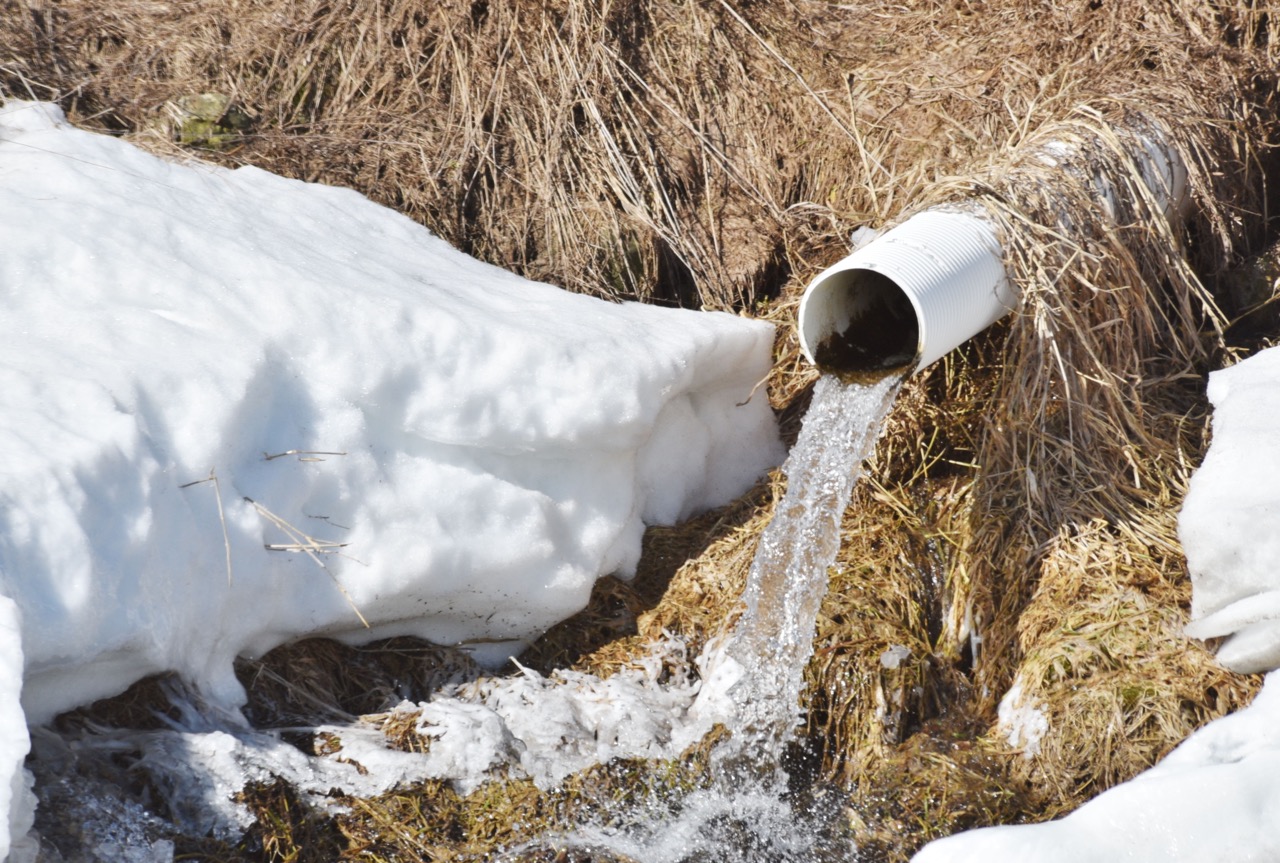
A pump may move water out of the basin successfully while the discharge path sends it toward the foundation. From ground level, look for pooling near the outlet after it runs. Changes in grading, an outlet that has shifted, or debris collecting around the termination can change where the water ends up. Cold weather can add another complication when an outlet or exposed run becomes obstructed by ice.
Ask the plumber to trace the discharge route when evaluating the pump. If the line is buried, note the last place you saw water exiting and whether landscaping has changed nearby. Confirm the intended discharge location with the plumber before making changes, since the right solution depends on the property and where the line is allowed to drain.
Decide what to repair before colder weather
A service visit should identify whether the trouble is at the pump, a control, the discharge path, or elsewhere. Ask what the technician observed and what would indicate that the problem is resolved. If replacement is recommended, discuss the basin dimensions, the height water must travel, and the type of backup that fits your needs. A pump that fits physically may still be wrong for the discharge route or expected volume.
If your house has a finished basement, stored belongings, or long stretches when nobody is home, tell the plumber. These details affect how useful an alarm or backup system would be. Ask how to recognize a warning and whom to call if it happens again.
Get ready for a service visit
Gather the approximate age of the equipment, recent service history, and the conditions that preceded the problem. If you can photograph the pump label and outlet from a dry area, keep the images handy. This gives the plumber a starting point and helps you compare repairs based on the underlying problem.
Putman & Son’s Plumbing serves Auburn Hills. Learn more about our sump pump service or call (248) 652-0990 to discuss what you’re seeing.