How To Deal With Stormwater
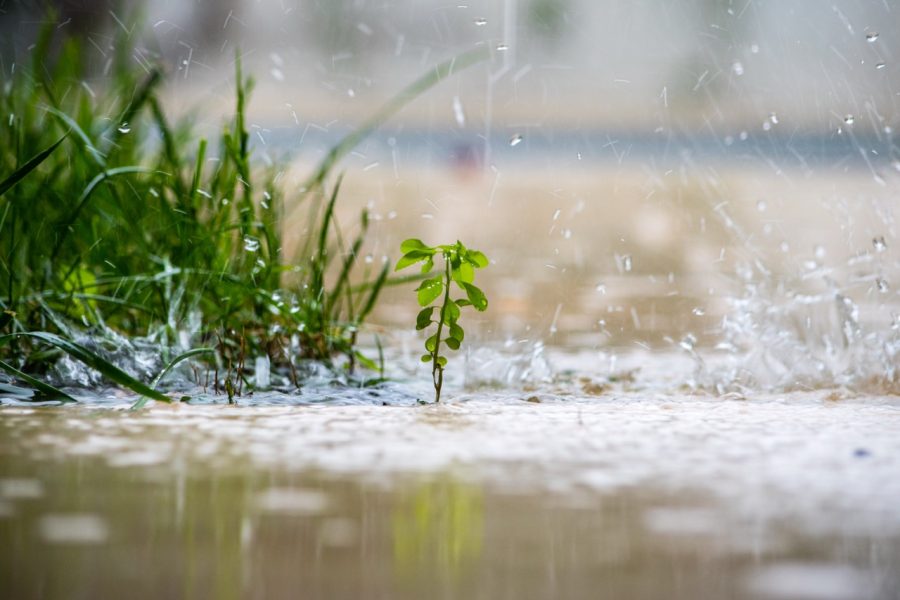
Stormwater can become a serious issue for homeowners when heavy rain moves in and drainage systems are not prepared to handle it. Water that does not move away from the home properly can increase the risk of basement moisture, flooding, foundation concerns, and plumbing-related damage.
The good news is that there are practical ways to reduce risk and improve how your property handles stormwater.
Understand where water is collecting
The first step is paying attention to what happens around your home during heavy rain. Does water pool near the foundation? Do certain areas stay soggy long after the storm ends? Are basement moisture issues more noticeable after rainfall?
These signs can help reveal where water is not draining the way it should. Identifying patterns early can help prevent repeated damage later.
Check your sump pump system
If your home relies on a sump pump, that system should be one of the first things you evaluate before storm season intensifies. Your sump pump needs to activate properly, move water efficiently, and discharge it away from the home.
A pump that is aging, clogged, or unreliable can leave your basement exposed when groundwater rises. You may also want to read our article on whether you should consider a backup sump pump.
Pay attention to drains and sewer warnings
Stormwater can increase the demand on drainage systems and expose existing plumbing weaknesses. Slow floor drains, gurgling fixtures, or backup symptoms should not be ignored. These can signal that your system is already under stress.
If drainage problems are showing up during storms, it may be time for professional evaluation before the next rainfall makes the issue worse.
Keep water moving away from the home
Stormwater becomes more of a threat when it lingers near the structure. A key part of protection is making sure water has a clear path away from the house. Outdoor drainage conditions, grading, and plumbing discharge points all matter.
If water consistently collects near the home, it can increase pressure on the basement and surrounding areas. Even strong indoor plumbing systems can be affected if outdoor drainage problems are left unresolved.
Watch for signs of water intrusion
Sometimes stormwater issues show up indoors first. Damp basement walls, musty odors, staining, or recurring puddles can all be signs that water is finding its way in. These warning signs should be taken seriously, even if the water seems minor at first.
Early action can help prevent mold concerns, material damage, and more expensive repairs later.
Use a preventive approach
Dealing with stormwater is not just about responding after flooding happens. It is about preparing ahead of time. That may include sump pump inspection, drainage evaluation, plumbing checks, and addressing weak points before the next major storm.
If your home has had storm-related issues before, prevention becomes even more important.
Protect your home during storm season
Stormwater can put a lot of pressure on your home, especially during periods of heavy rain. The more prepared your property and plumbing system are, the lower your risk of flooding and water damage.
Putman & Sons Plumbing helps homeowners address storm-season plumbing concerns with practical solutions that support drainage, sump pump performance, and home protection.