How to Tell If Your Pipes Are Frozen
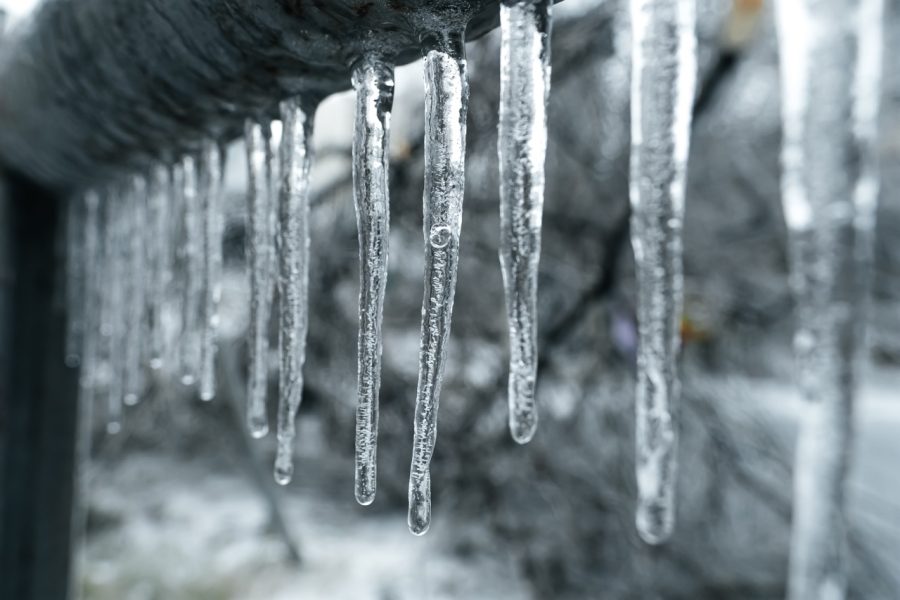
Why Frozen Pipes Are a Serious Winter Problem
Frozen pipes are one of the most common and costly plumbing issues during winter. When temperatures drop, water inside pipes can freeze, expand, and create pressure that leads to cracks or full pipe bursts. Knowing how to recognize frozen pipes early can help prevent extensive water damage and emergency repairs.
Common Signs Your Pipes May Be Frozen
Frozen pipes often show warning signs before major damage occurs. Paying attention to these indicators can save time, money, and stress.
Little or No Water Flow
If you turn on a faucet and only a trickle of water comes out, or nothing at all, there may be ice blocking the pipe. This often happens in exterior walls, basements, crawl spaces, or under sinks near outside walls.
Frost on Exposed Pipes
Visible frost or ice buildup on exposed pipes is a clear sign that freezing has already started. This is common in unheated areas like garages or utility rooms.
Strange Smells From Drains or Faucets
When pipes freeze, odors can become trapped behind the ice blockage. If you notice unusual smells coming from a drain or faucet, frozen pipes could be the cause.
Unusual Noises
Banging, whistling, or gurgling sounds when you turn on water can indicate pressure buildup caused by ice inside the pipe.
Areas Most at Risk for Frozen Pipes
Certain locations in your home are more vulnerable during cold weather.
- Pipes in exterior walls
- Basements and crawl spaces
- Garages and utility rooms
- Under kitchen and bathroom sinks
- Outdoor spigots and hose bibs
Homes with poor insulation or older plumbing systems face a higher risk.
Why Frozen Pipes Are Dangerous
The real danger often happens after the pipe thaws. As ice melts, cracks or weak points can release large amounts of water into walls, ceilings, and floors. This can lead to structural damage, mold growth, and costly repairs.
What To Do If You Suspect Frozen Pipes
If you believe a pipe is frozen, act quickly but carefully.
- Keep the faucet open slightly to relieve pressure
- Avoid using open flames to warm pipes
- Turn off the main water supply if you suspect a burst
- Call a professional plumber for safe inspection and repair
Preventing Frozen Pipes in the Future
Prevention is always easier than repair.
- Insulate exposed pipes
- Keep cabinet doors open during extreme cold
- Maintain indoor temperatures consistently
- Winterize outdoor plumbing before freezing weather
When to Call a Professional Plumber
If you cannot locate the frozen pipe, if multiple fixtures are affected, or if you see signs of a burst pipe, professional service is essential. Experienced plumbers can safely identify and resolve the issue before further damage occurs.