What to Do When Your Shower Stops Producing Hot Water
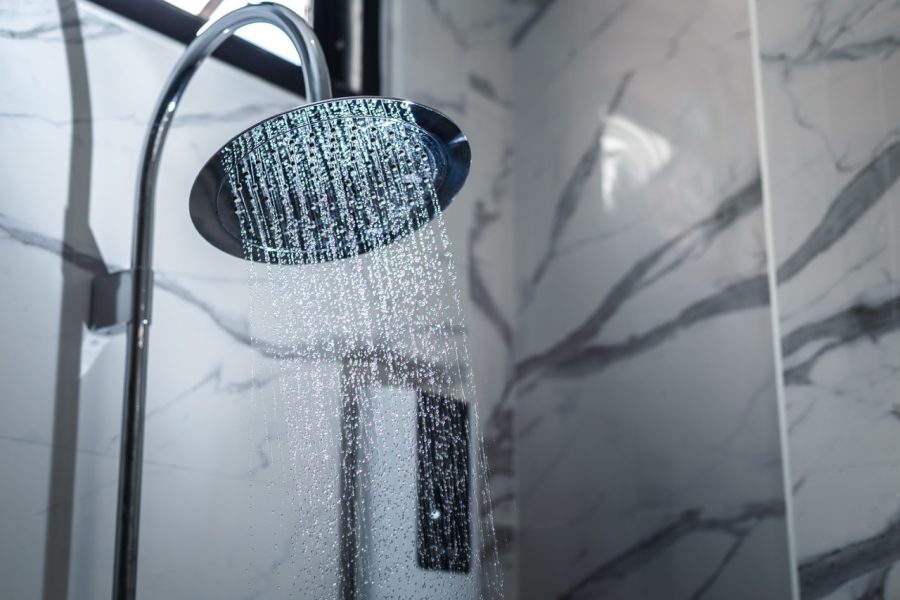
Few things are more frustrating than stepping into the shower only to discover the hot water is gone. Whether it happens gradually or all at once, a loss of hot water can signal anything from a simple fix to a larger problem with your plumbing or water heater. Understanding the potential causes helps you determine what you can troubleshoot yourself and what requires professional attention.
Start by Checking Your Water Heater
The most common cause of no hot water in the shower is a problem with your water heater. Before assuming the worst, take a moment to verify the basics.
For gas water heaters:
• Ensure the pilot light is lit.
• Check for a flashing error code.
• Listen for unusual noises that may signal sediment buildup.
For electric water heaters:
• Look for a tripped breaker.
• Inspect for loose electrical connections.
• Consider whether one of the heating elements has failed.
If the water heater is supplying hot water to other fixtures but not the shower, the issue is likely within the shower system rather than the tank.
Check Temperature Settings and Valves
Sometimes the fix is surprisingly simple. Your water heater thermostat may be set too low, especially if someone recently adjusted it. Increase the temperature slightly and allow 30 minutes for the water to heat before testing the shower again.
Additionally, newer homes often have tempering valves installed to regulate scald protection. If these valves fail or shift, they can prevent hot water from reaching certain fixtures.
Sediment and Mineral Buildup
Water heaters naturally collect sediment, especially in areas with hard water. Over time, this sediment forms a thick layer that insulates the heating elements and reduces their efficiency. If your shower gradually lost hot water over weeks or months, sediment buildup may be the culprit.
Flushing the water heater can improve performance, but if sediment buildup is severe, a technician may need to inspect or replace components.
Issues with the Shower Mixing Valve
Inside the shower handle system is a component called the mixing valve. This valve regulates the blend of hot and cold water. When it becomes worn or clogged with mineral deposits, it may fail to allow hot water through, even when the water heater is working properly.
Signs your mixing valve may be the issue include:
• Hot water flows normally from sinks but not in the shower
• The shower temperature fluctuates unpredictably
• Turning the handle doesn’t change temperature as expected
Mixing valve replacement is best handled by a licensed plumber.
Plumbing Cross-Connections
A less common—but possible—cause is a cross-connection between hot and cold water lines. This can force cold water into the hot line, cooling the water before it reaches the shower. This issue typically requires professional diagnosis and repair.
When It’s Time to Call a Plumber
If your troubleshooting hasn’t restored hot water, it’s time to bring in a professional. A plumber can:
• Inspect and repair water heater components
• Replace faulty mixing valves
• Diagnose cross-connection issues
• Evaluate sediment levels
• Identify failing thermostats or heating elements
Final Thoughts
A lack of hot water in the shower is inconvenient but often solvable with clear troubleshooting steps. Whether the issue lies in your water heater, your shower fixtures, or your plumbing system, addressing the problem early prevents bigger headaches. When in doubt, a licensed plumber can diagnose the issue quickly and restore your home’s hot water.